Workstation ब्लॉग
LLM
LLM टैग वाली पोस्ट।
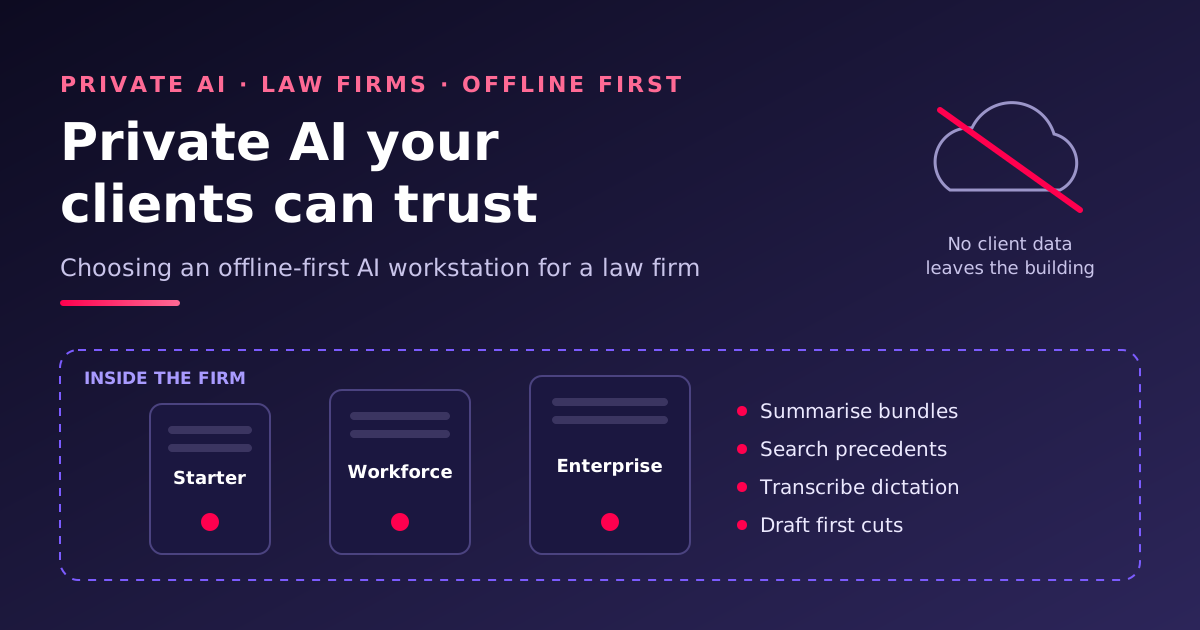
Private AI for Law Firms: Choosing an Offline-First Workstation Your Clients Can Trust
How a law firm chooses a private-AI workstation that runs with no internet connection: who uses it, which model, how much GPU memory, how isolated it must be and who sets it up. With real prices from a real quote, where it was over-specified, and the Starter, Workforce and Enterprise builds we would actually ship.
 Balinder Waliaपढ़ें
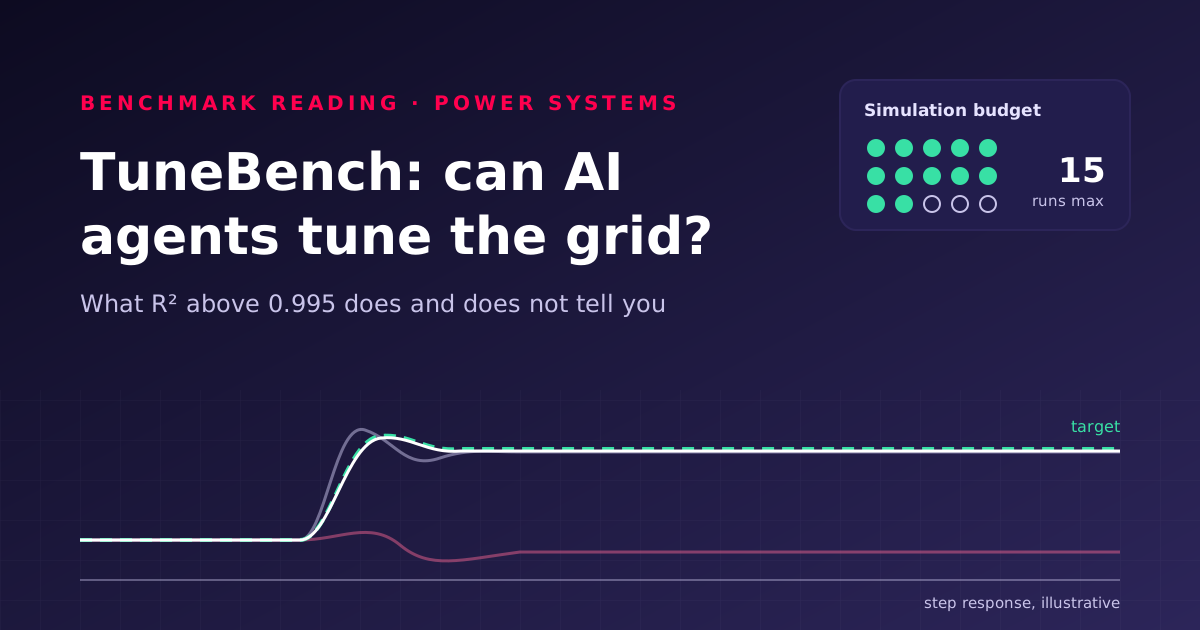
TuneBench: How Well Can AI Agents Calibrate Power System Models?
TuneBench tests LLM agents on calibrating generator and battery models within 15 simulations. Only Opus 5.5 and GPT-6 hit median R² above 0.995 in every test. What that figure means, its limits, and how to build the same kind of benchmark.
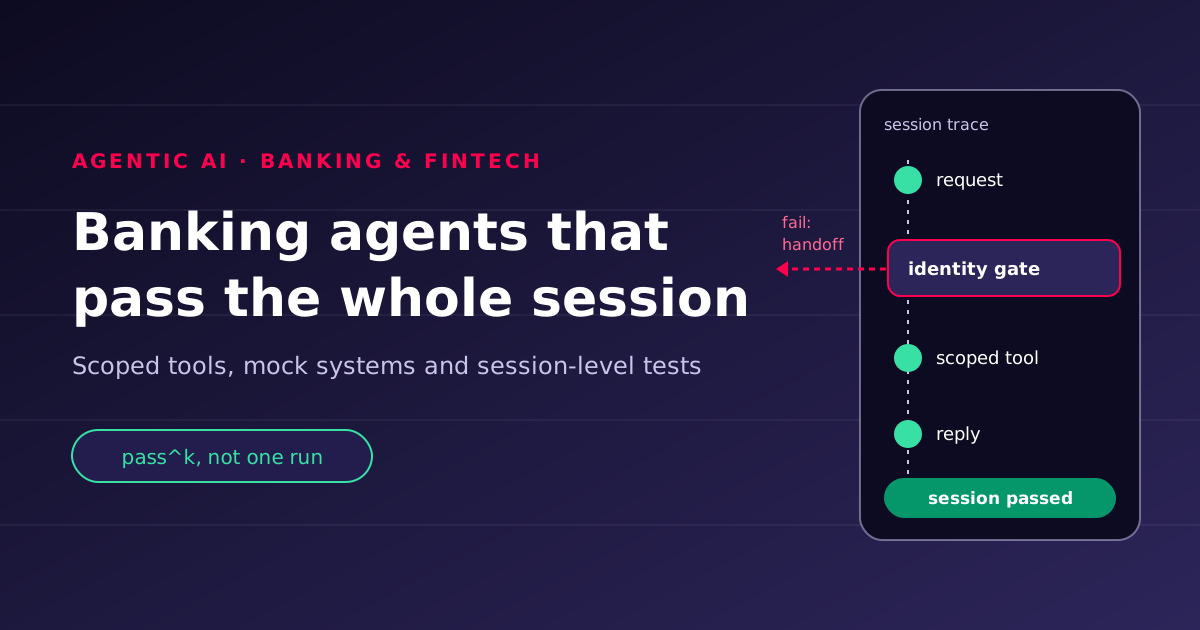
Agentic AI in banking: efficiency you can defend to a risk committee
Banking AI agents rarely fail on one bad reply; they fail across a session. How to scope tools, test whole conversations against mock systems and measure reliability with pass^k, so the time saved survives audit and production.
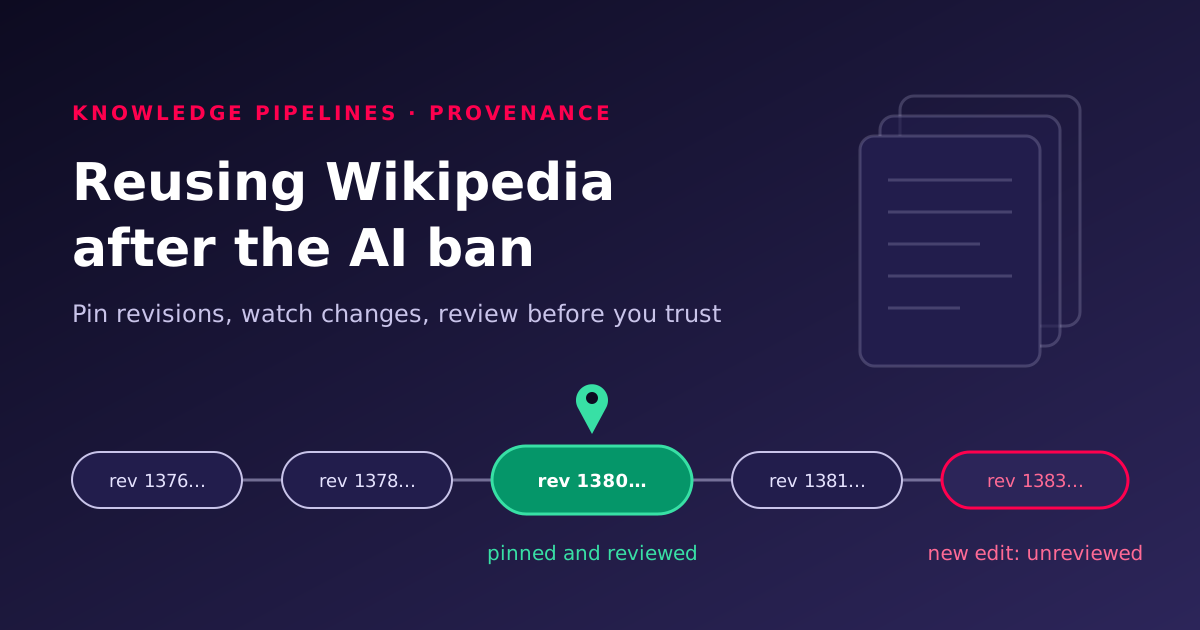
Wikipedia banned AI-written articles: what teams that reuse it should change
English Wikipedia now prohibits LLM-written article text, yet volunteers still flag a steady share of new drafts as AI-generated. If your search, chatbot or knowledge base reuses Wikipedia, here is how to pin revisions, watch edits, review changes and attribute correctly.
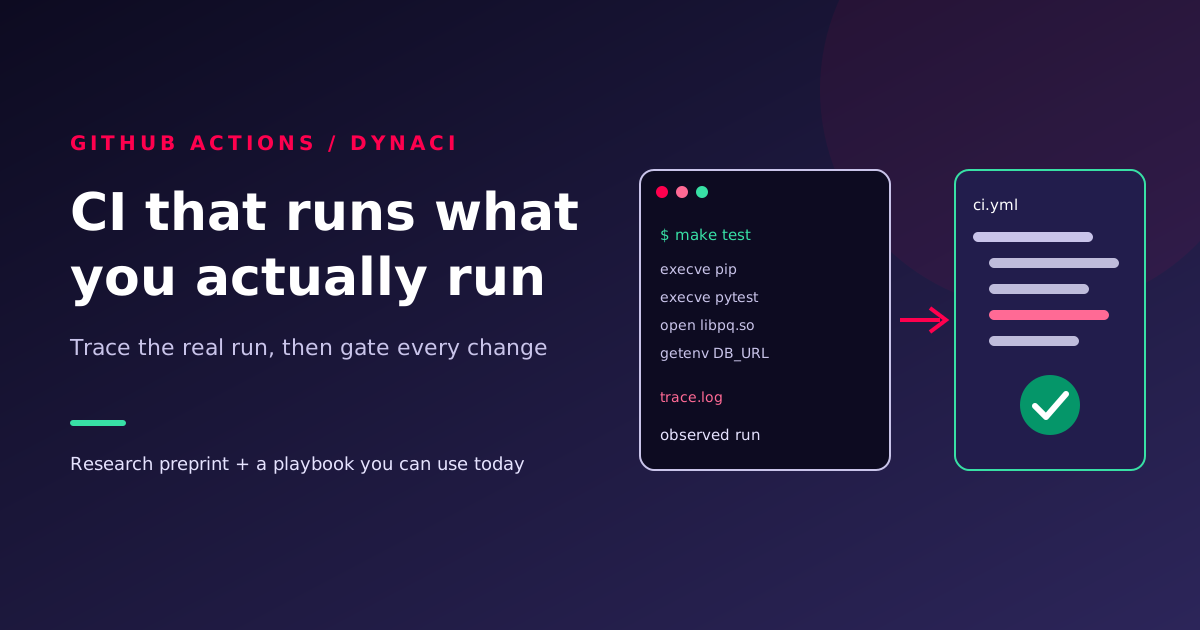
DynaCI and runtime-grounded CI: better GitHub Actions workflows
DynaCI, an October 2026 research preprint, drafts GitHub Actions workflows from traces of real local runs. What its results show, what they do not, and a playbook to lint, test, harden and review every workflow you ship.
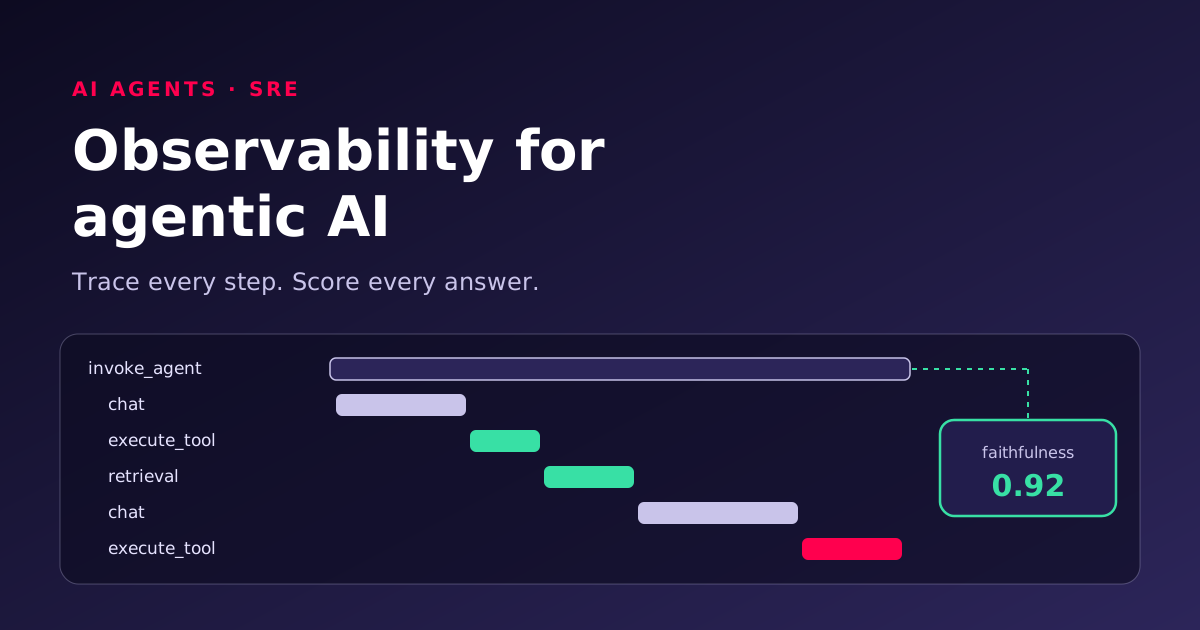
Observability for Agentic AI: Tracing, Evaluating and Auditing Agents
AI agents fail quietly: a confident answer from the wrong document, a tool called with the wrong argument. Learn how to trace every model, retrieval and tool step with OpenTelemetry, attach quality scores, and keep the records auditors ask for.
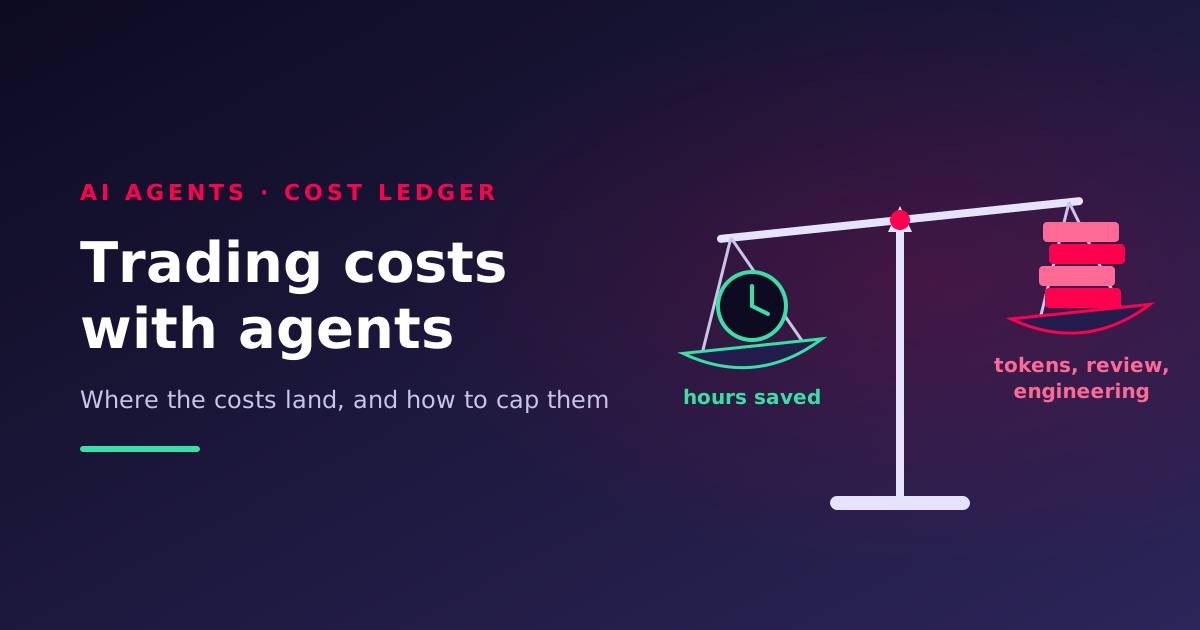
Trading costs with agents: what an AI agent really costs to run
AI agents move cost rather than remove it. Learn why the token bill grows with the square of loop steps, how caching and compaction bend the curve, and a playbook for pricing, budgeting and capping an agent before it reaches production.
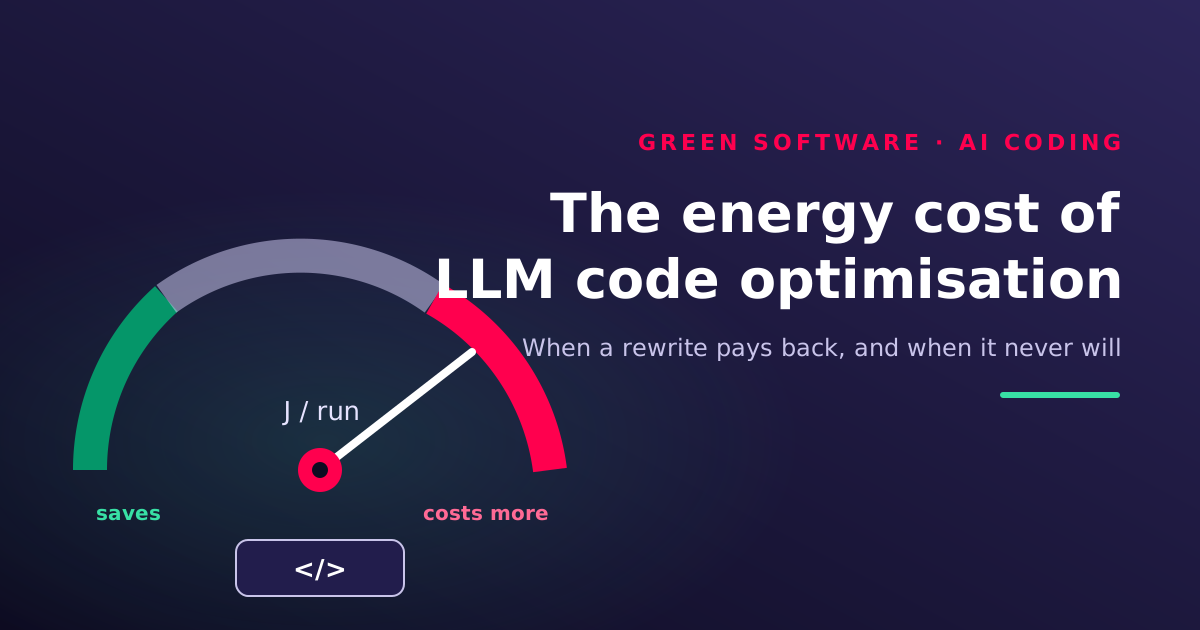
The energy cost of LLM code optimisation, and when it pays back
A 2026 study found LLM-optimised code used more energy per run than the human reference in 42 of 44 configurations. Learn the break-even rule, how to measure joules per run on Linux, and a workflow for keeping only the rewrites that pay back.
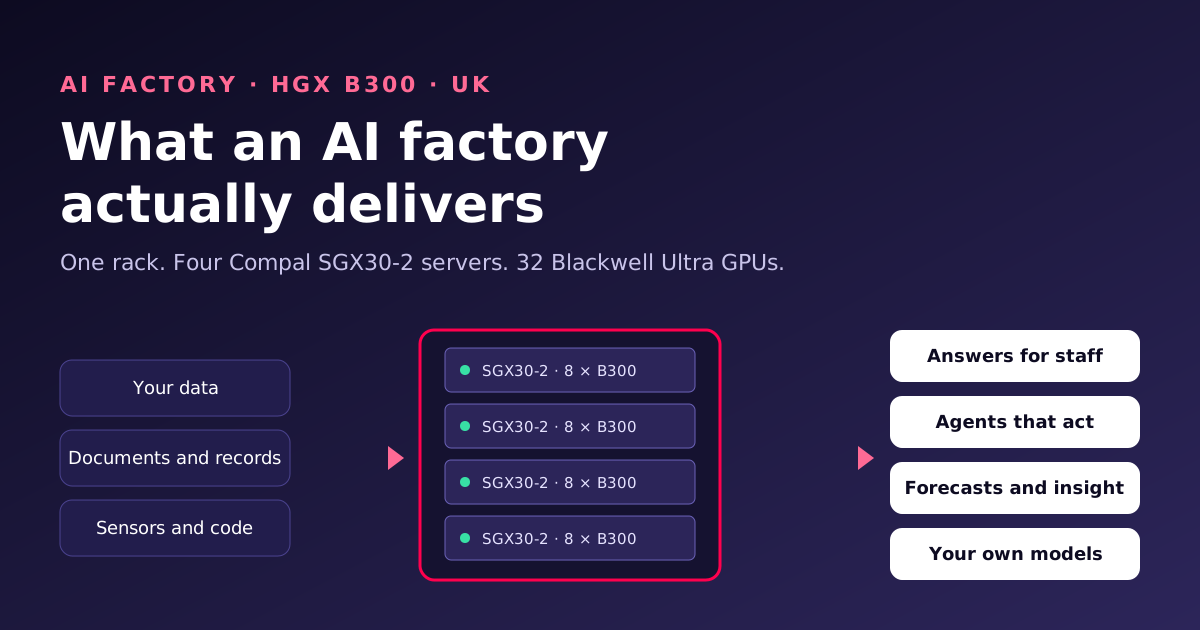
What an AI Factory Actually Delivers: One Rack, 32 Blackwell Ultra GPUs and the Work It Does for You
An AI factory turns your own data into answers, agents, forecasts and trained models on hardware you control. Here is what goes in, what comes out, how the work flows every day, and what a rack of four Compal SGX30-2 servers with 32 NVIDIA Blackwell Ultra GPUs needs to run.
Balinder Waliaपढ़ें