Workstation 部落格
全部文章
關於 AI 基礎設施、MLOps、模型以及上線生產的實操指南。
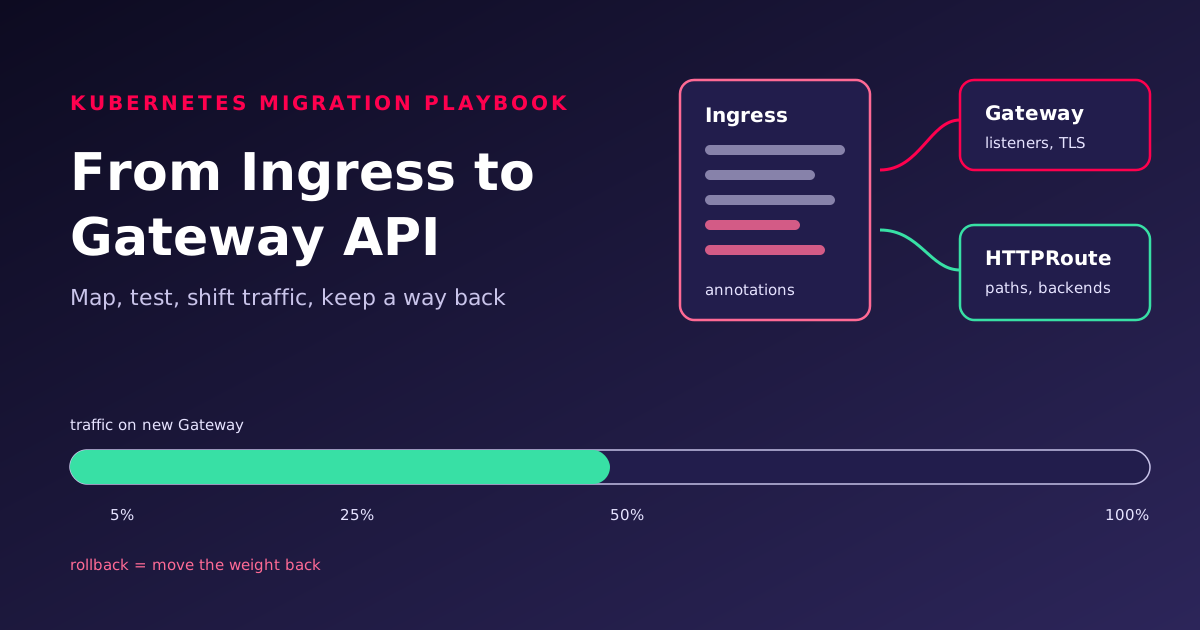
Gateway API Replaces Ingress: A Step-by-Step Migration Playbook
Ingress NGINX is retired and Ingress is frozen. This playbook maps Ingress fields and annotations to Gateway and HTTPRoute, flags the ingress-nginx behaviours that break, and walks through conversion, side-by-side testing, weighted cutover and rollback.

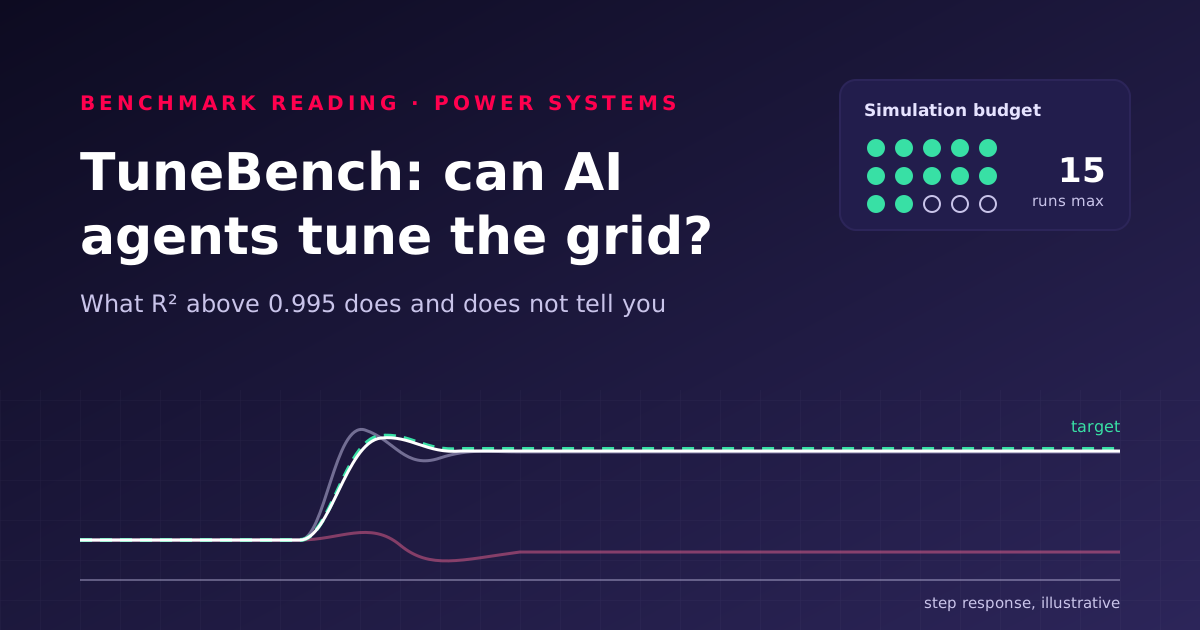
TuneBench: How Well Can AI Agents Calibrate Power System Models?
TuneBench tests LLM agents on calibrating generator and battery models within 15 simulations. Only Opus 5.5 and GPT-6 hit median R² above 0.995 in every test. What that figure means, its limits, and how to build the same kind of benchmark.
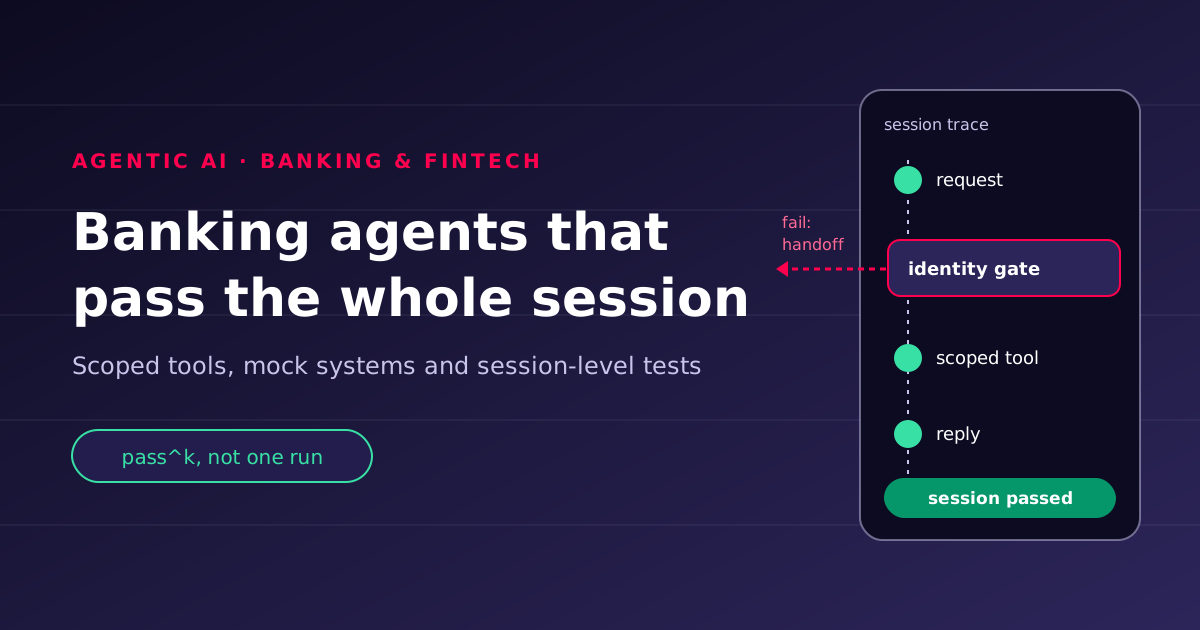
Agentic AI in banking: efficiency you can defend to a risk committee
Banking AI agents rarely fail on one bad reply; they fail across a session. How to scope tools, test whole conversations against mock systems and measure reliability with pass^k, so the time saved survives audit and production.
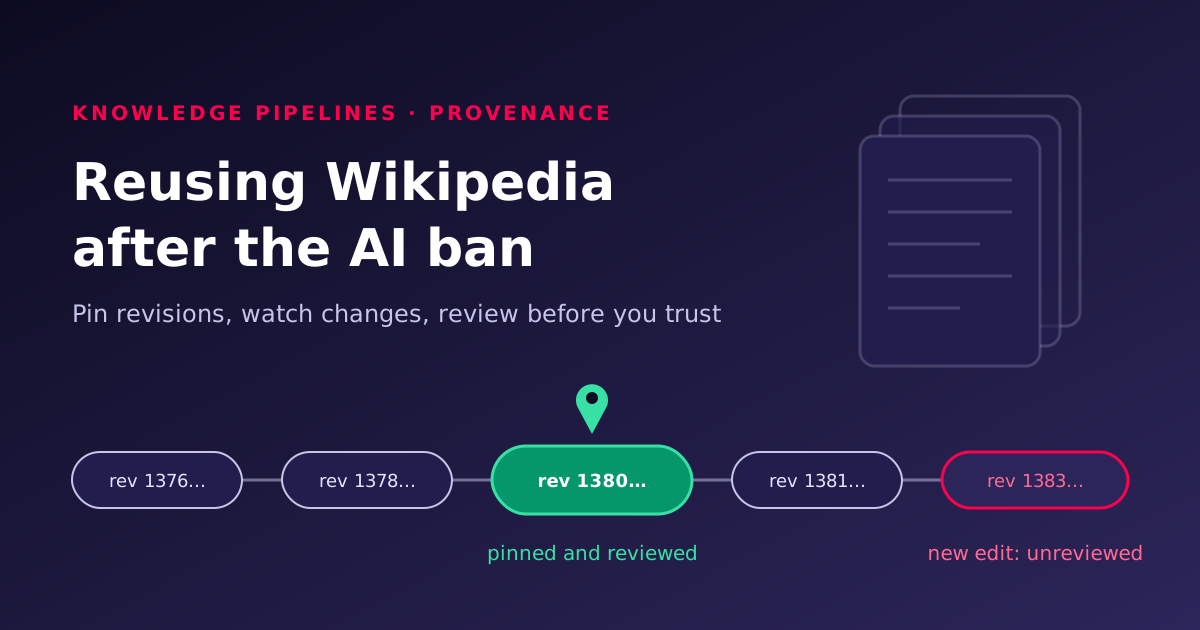
Wikipedia banned AI-written articles: what teams that reuse it should change
English Wikipedia now prohibits LLM-written article text, yet volunteers still flag a steady share of new drafts as AI-generated. If your search, chatbot or knowledge base reuses Wikipedia, here is how to pin revisions, watch edits, review changes and attribute correctly.
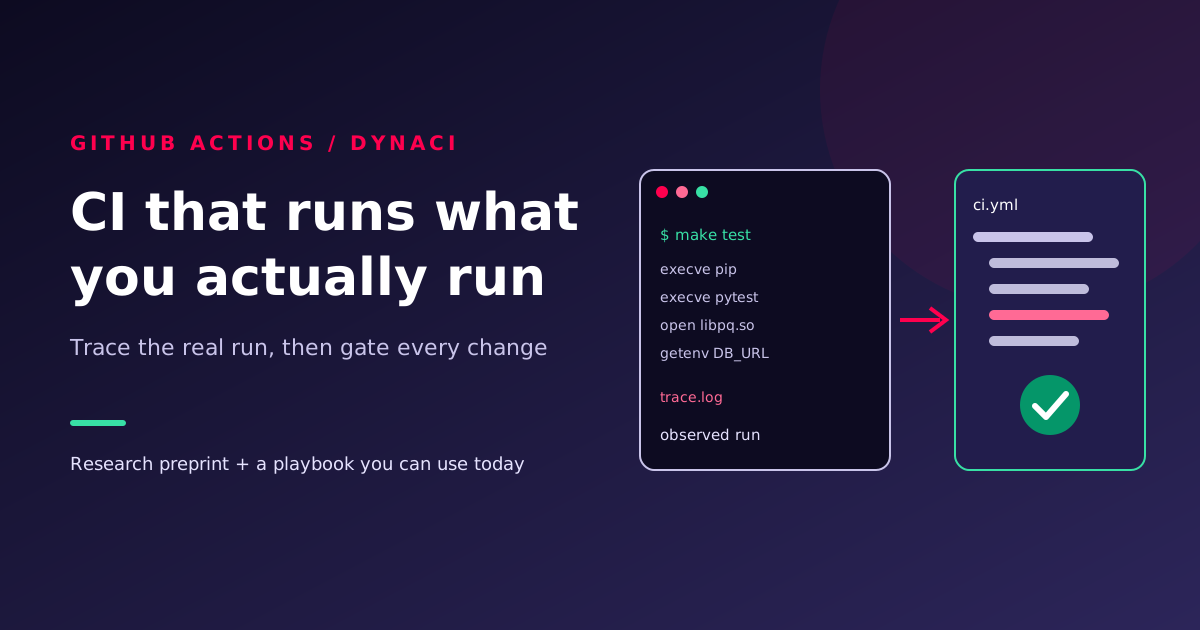
DynaCI and runtime-grounded CI: better GitHub Actions workflows
DynaCI, an October 2026 research preprint, drafts GitHub Actions workflows from traces of real local runs. What its results show, what they do not, and a playbook to lint, test, harden and review every workflow you ship.
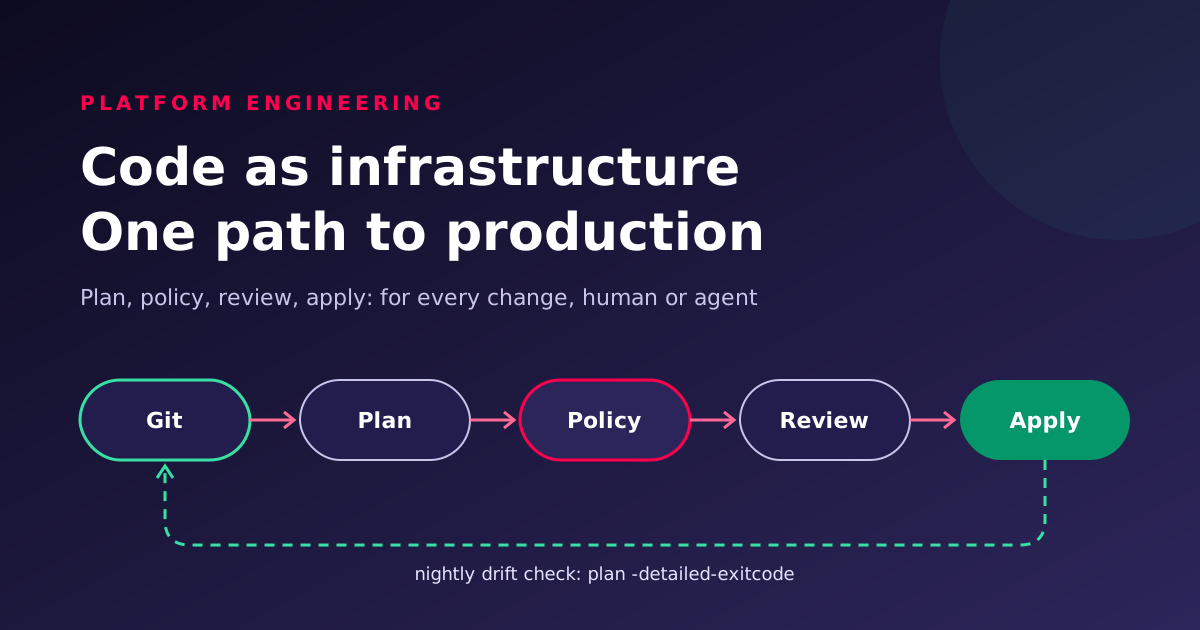
Code as infrastructure: one reviewed path for every production change
Infrastructure as code made servers into files. Code as infrastructure goes further: desired state, policy, pipelines and AI agent access all live in Git, are checked by policy, applied by automation and watched for drift. A practical playbook.
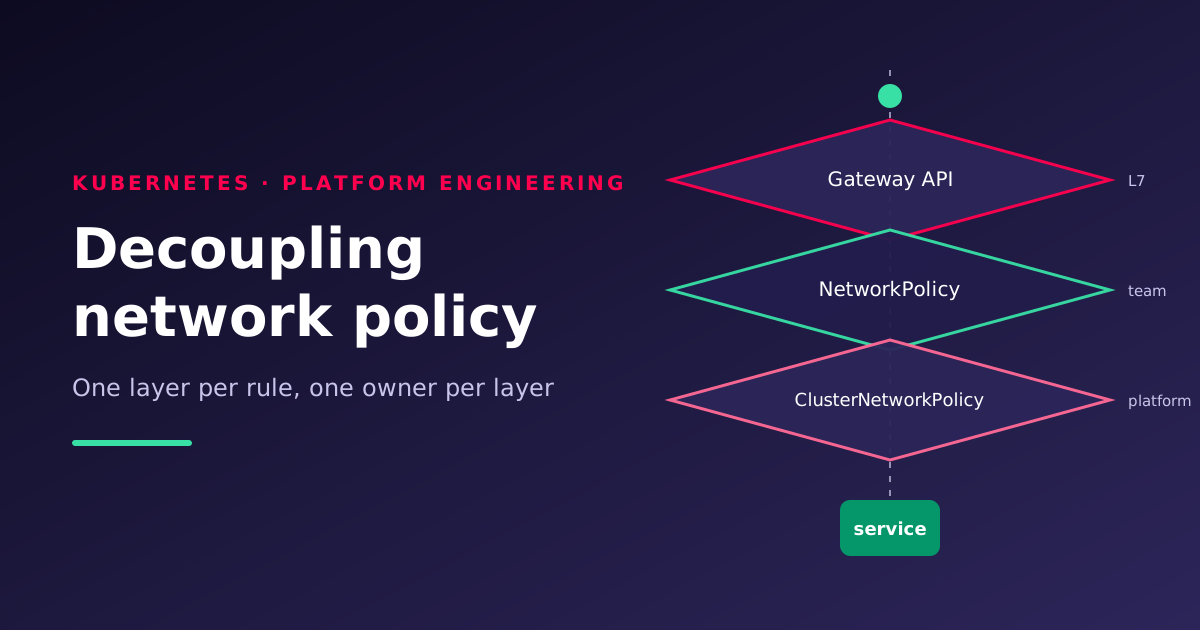
Decoupling Network Policy in Kubernetes: One Owner per Rule
Network rules scattered across annotations, app config and stray NetworkPolicies slow every change. Here is how to split them into layers with one owner each, using ClusterNetworkPolicy, NetworkPolicy and Gateway API, plus a step-by-step migration playbook.
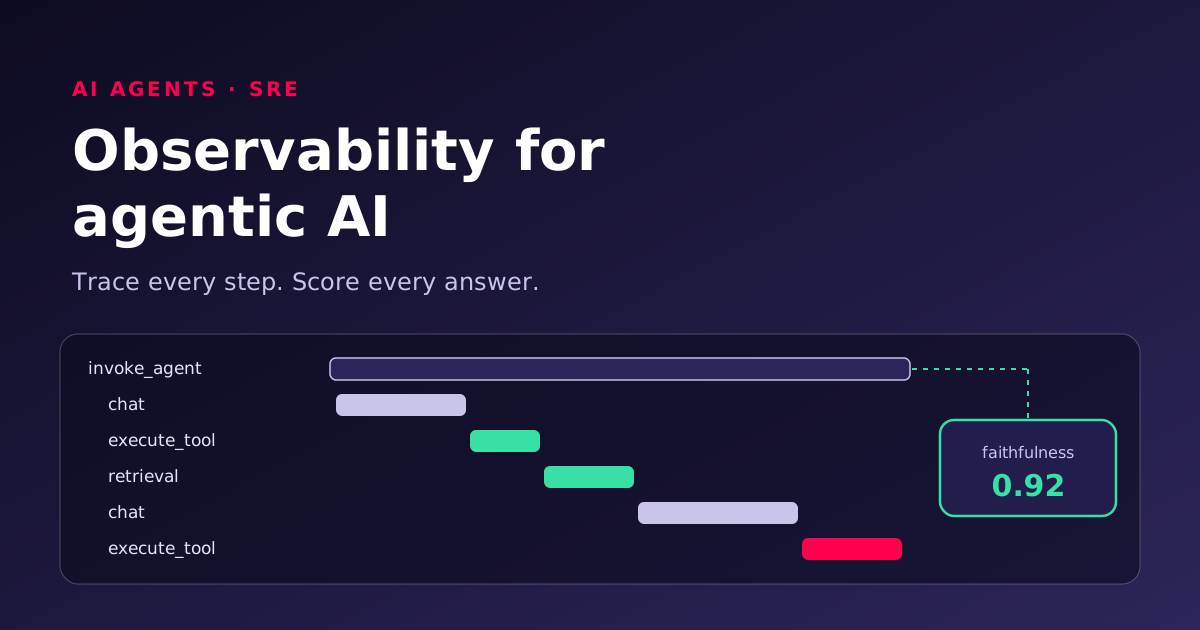
Observability for Agentic AI: Tracing, Evaluating and Auditing Agents
AI agents fail quietly: a confident answer from the wrong document, a tool called with the wrong argument. Learn how to trace every model, retrieval and tool step with OpenTelemetry, attach quality scores, and keep the records auditors ask for.
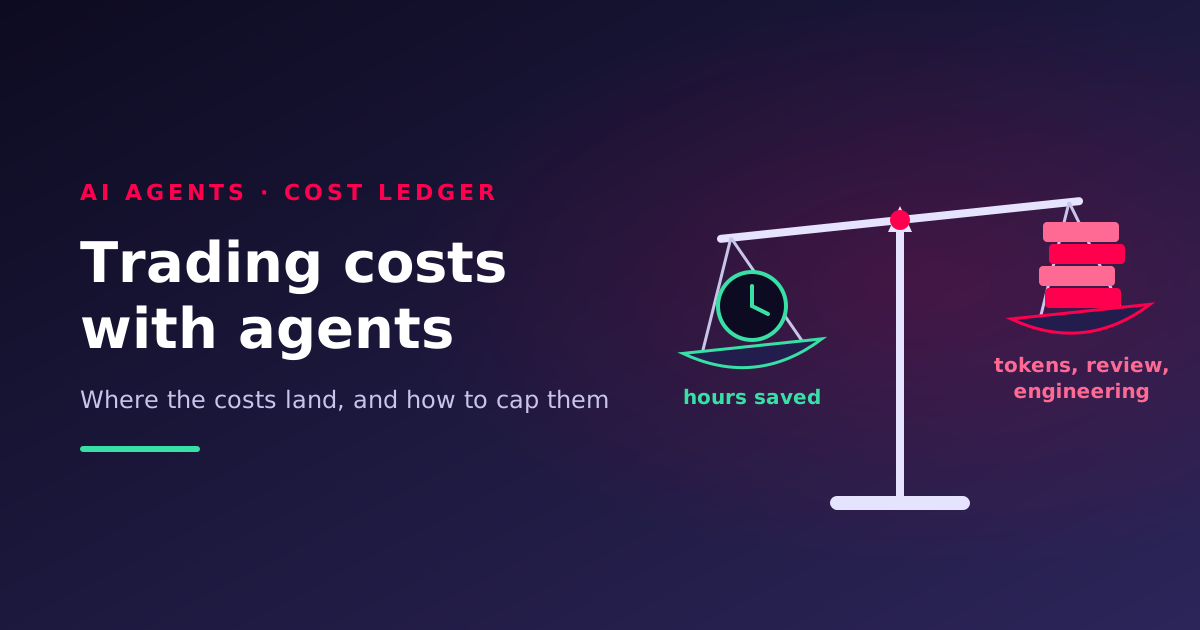
Trading costs with agents: what an AI agent really costs to run
AI agents move cost rather than remove it. Learn why the token bill grows with the square of loop steps, how caching and compaction bend the curve, and a playbook for pricing, budgeting and capping an agent before it reaches production.
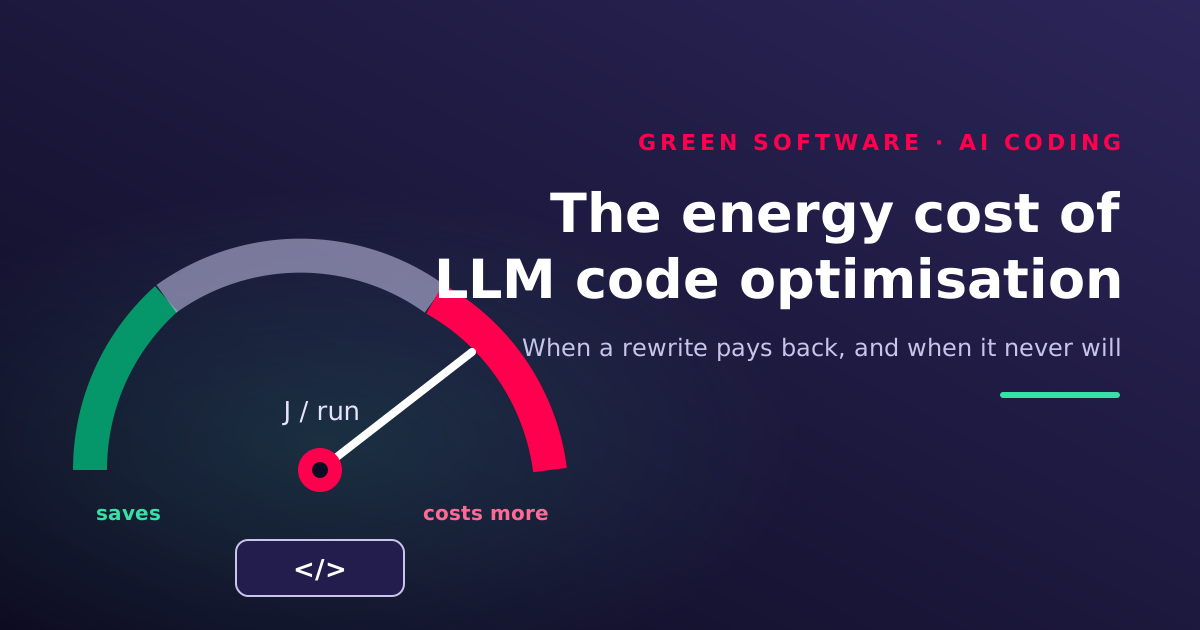
The energy cost of LLM code optimisation, and when it pays back
A 2026 study found LLM-optimised code used more energy per run than the human reference in 42 of 44 configurations. Learn the break-even rule, how to measure joules per run on Linux, and a workflow for keeping only the rewrites that pay back.