Workstation ब्लॉग
सभी पोस्ट
AI अवसंरचना, MLOps, मॉडल और प्रोडक्शन में तैनाती पर व्यावहारिक मार्गदर्शिकाएँ।
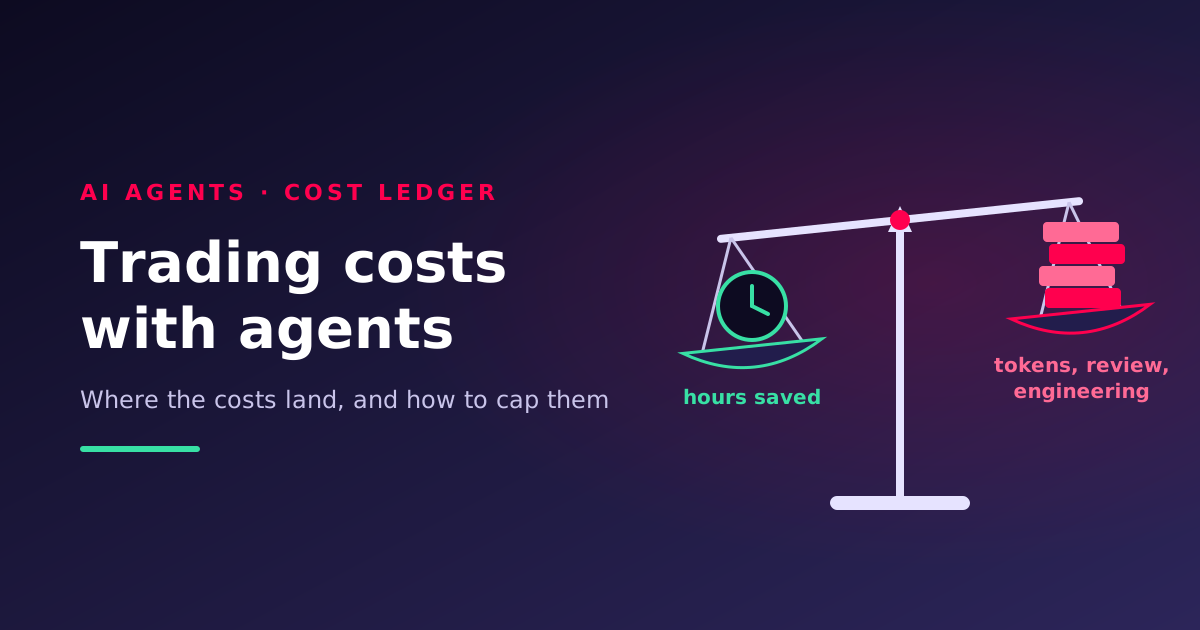
Trading costs with agents: what an AI agent really costs to run
AI agents move cost rather than remove it. Learn why the token bill grows with the square of loop steps, how caching and compaction bend the curve, and a playbook for pricing, budgeting and capping an agent before it reaches production.
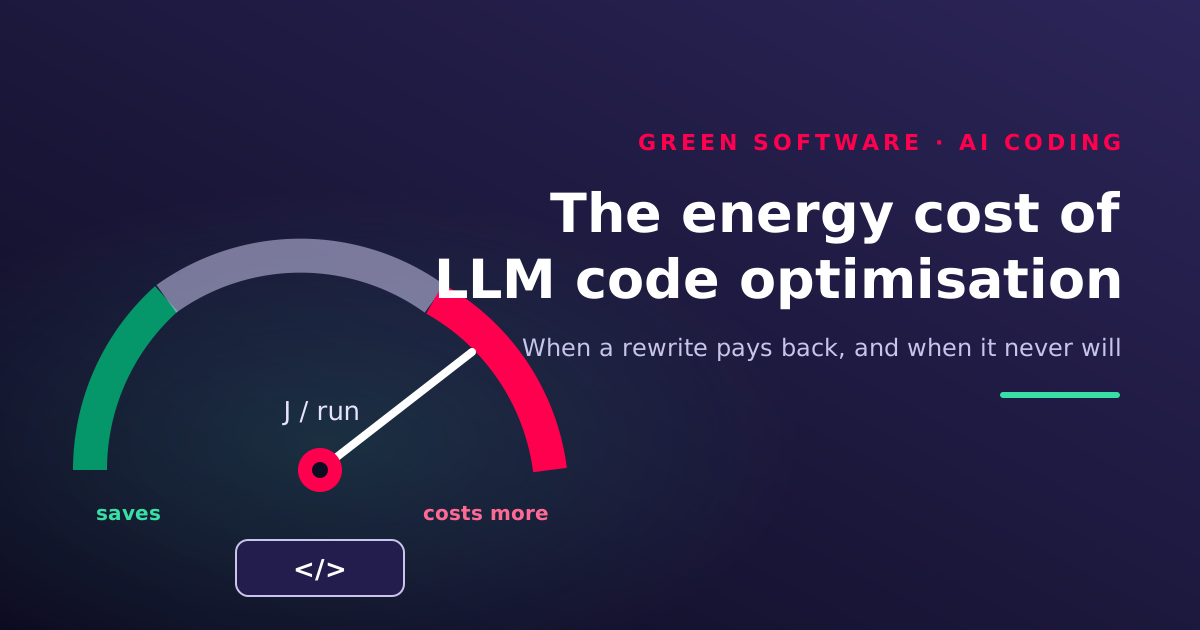
The energy cost of LLM code optimisation, and when it pays back
A 2026 study found LLM-optimised code used more energy per run than the human reference in 42 of 44 configurations. Learn the break-even rule, how to measure joules per run on Linux, and a workflow for keeping only the rewrites that pay back.
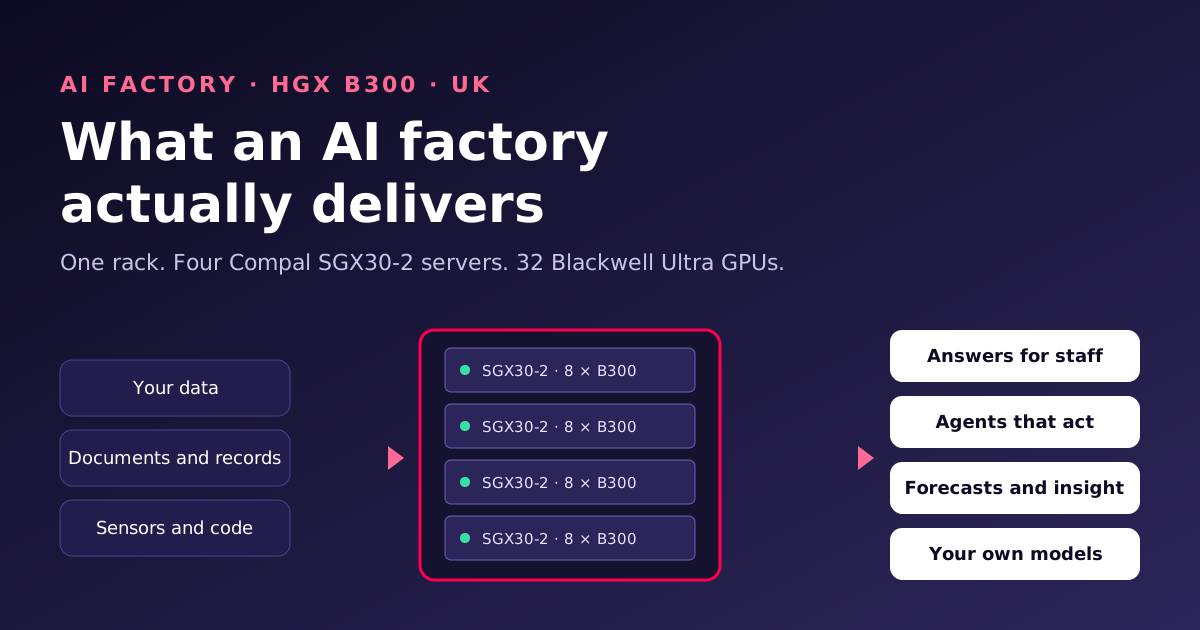
What an AI Factory Actually Delivers: One Rack, 32 Blackwell Ultra GPUs and the Work It Does for You
An AI factory turns your own data into answers, agents, forecasts and trained models on hardware you control. Here is what goes in, what comes out, how the work flows every day, and what a rack of four Compal SGX30-2 servers with 32 NVIDIA Blackwell Ultra GPUs needs to run.
 Balinder Waliaपढ़ें
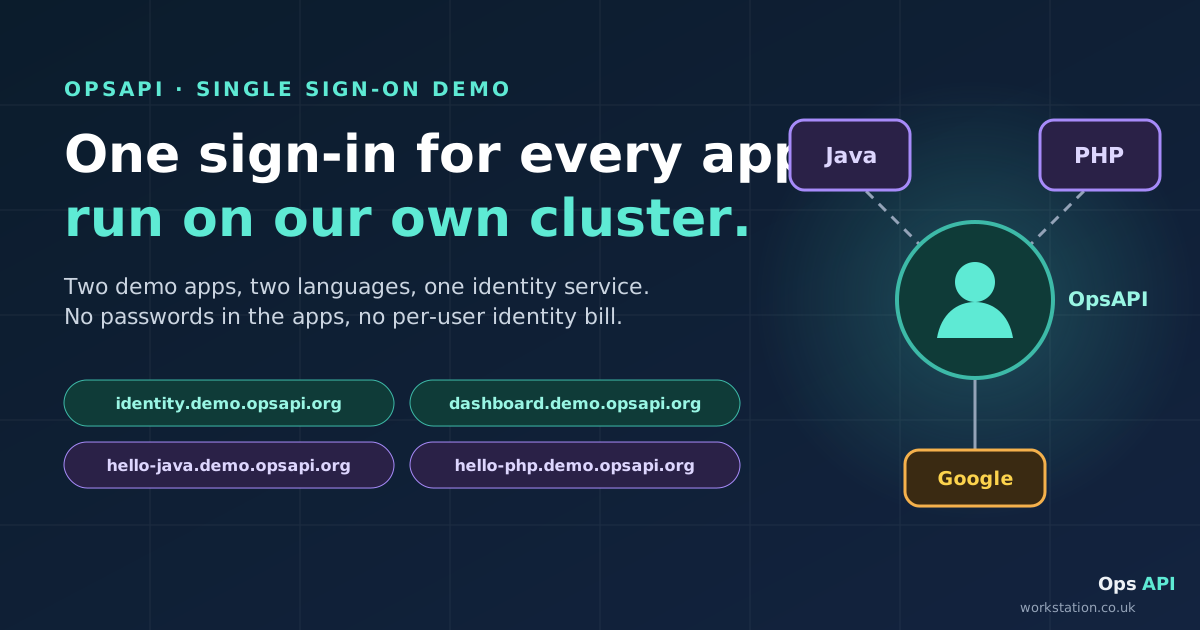
One Sign-In for Every App, Run on Our Own Cluster
Five demo apps in five languages never see a password and never talk to Google: they send users to a self-hosted OpsAPI, which signs them in and hands back a token the app checks with one API call. What it costs to add an app, why admin dashboards belong behind a VPN or zero-trust broker, and the honest limits.
Balinder Waliaपढ़ें 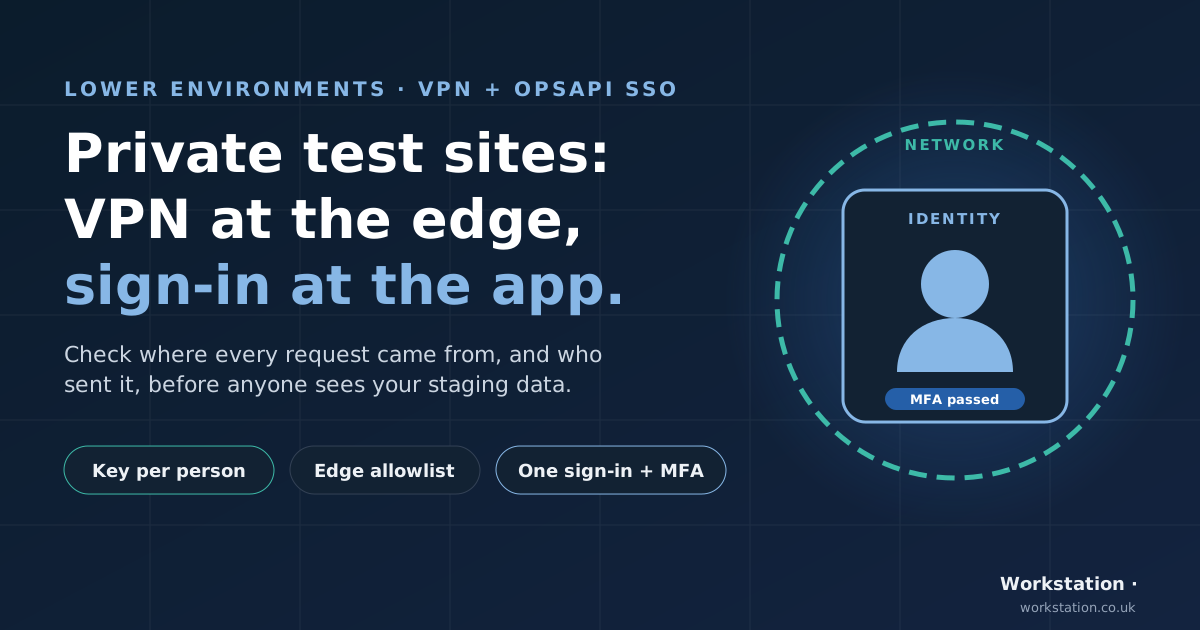
Keep Your Test Sites Private: VPN at the Edge, One Sign-In for Every App
Staging and test sites hold real-looking data, yet they're often protected by an IP allowlist alone. Here's how two layers keep them private: a VPN checked at the edge proves where a request came from, and one OpsAPI sign-in with MFA proves who sent it, across every app.
Balinder Waliaपढ़ें 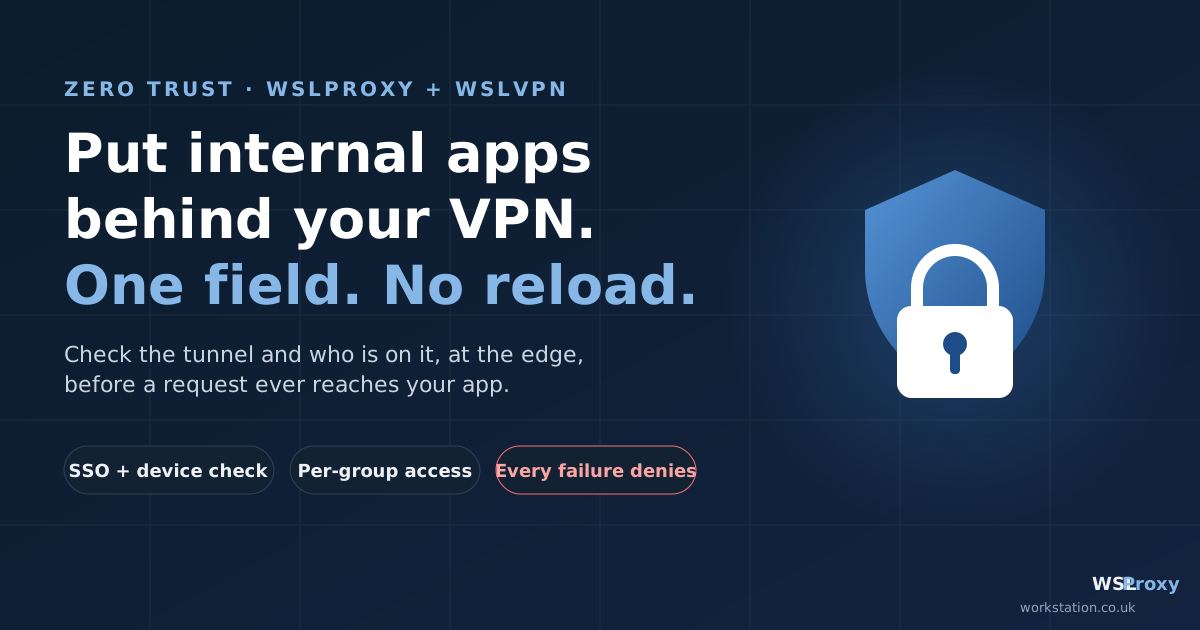
Put Internal Apps Behind Your VPN, Without Rebuilding Them
Staging sites and admin panels are often 'private' because of an IP allowlist. Put them behind the wslvpn Zero Trust VPN, enforced at the WSLProxy edge: check the tunnel and the person, fail closed, and see why someone was blocked. One field per domain, no app changes, no reload.
Balinder Waliaपढ़ें 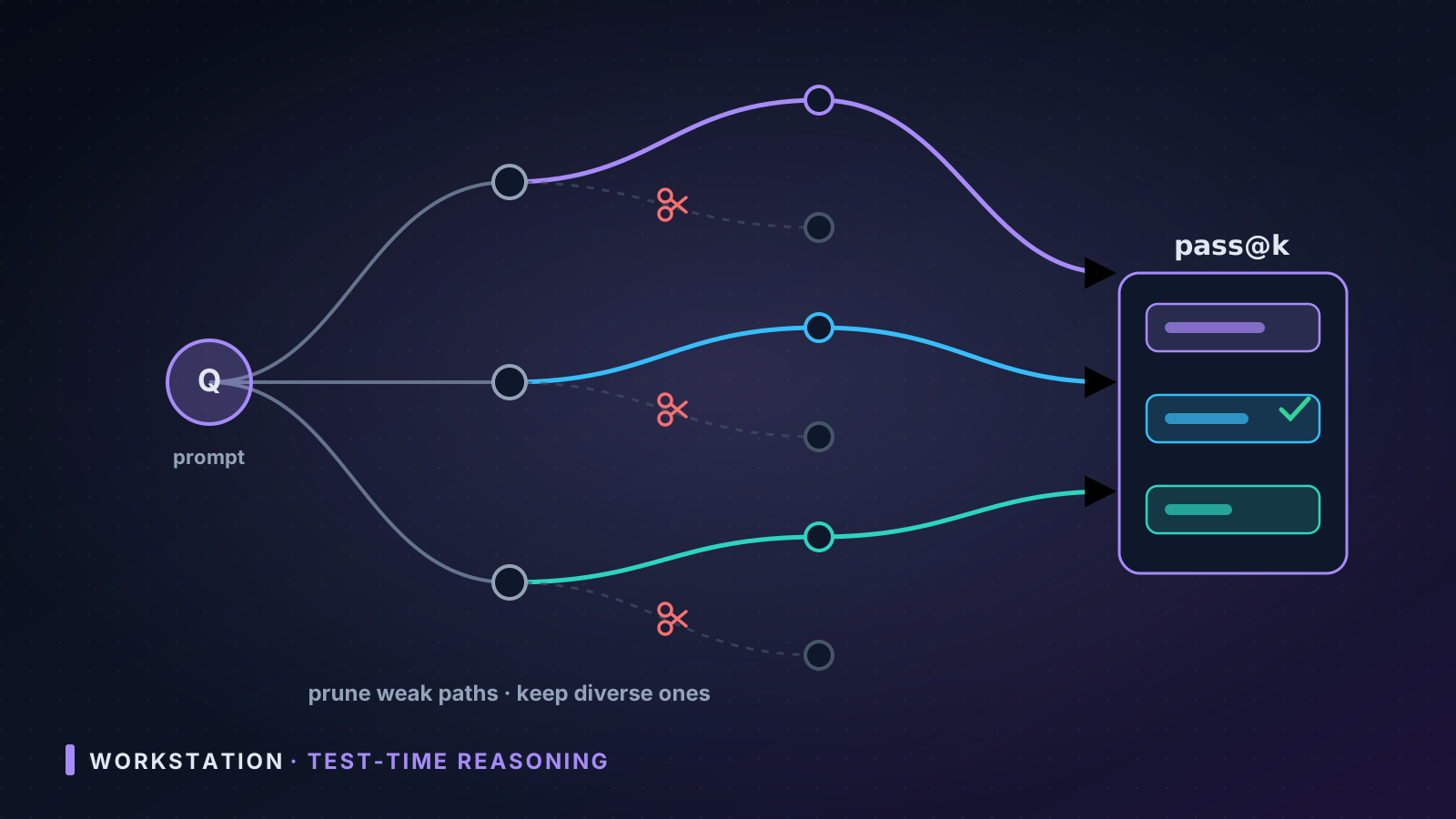
Balancing Pruning and Diversity
Test-time reasoning is increasingly the place where quality is won or lost. Generating many candidate reasoning paths and then selecting the best ones lets…
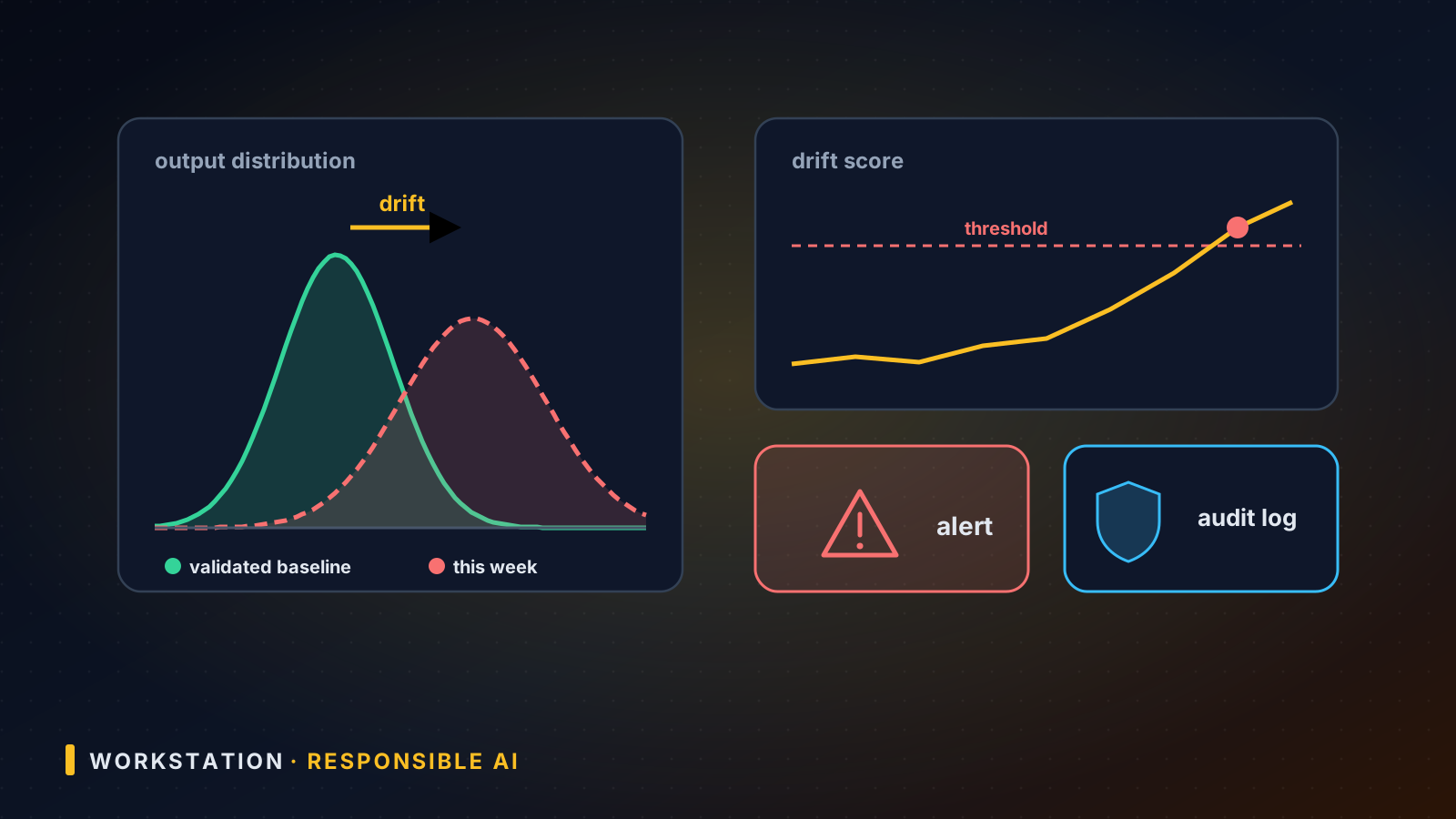
LLM Drift Detection in Regulated Environments
Regulated industries do not have the luxury of treating a Large Language Model deployment as an experiment. In banking, health tech, fintech and tax returns, a…
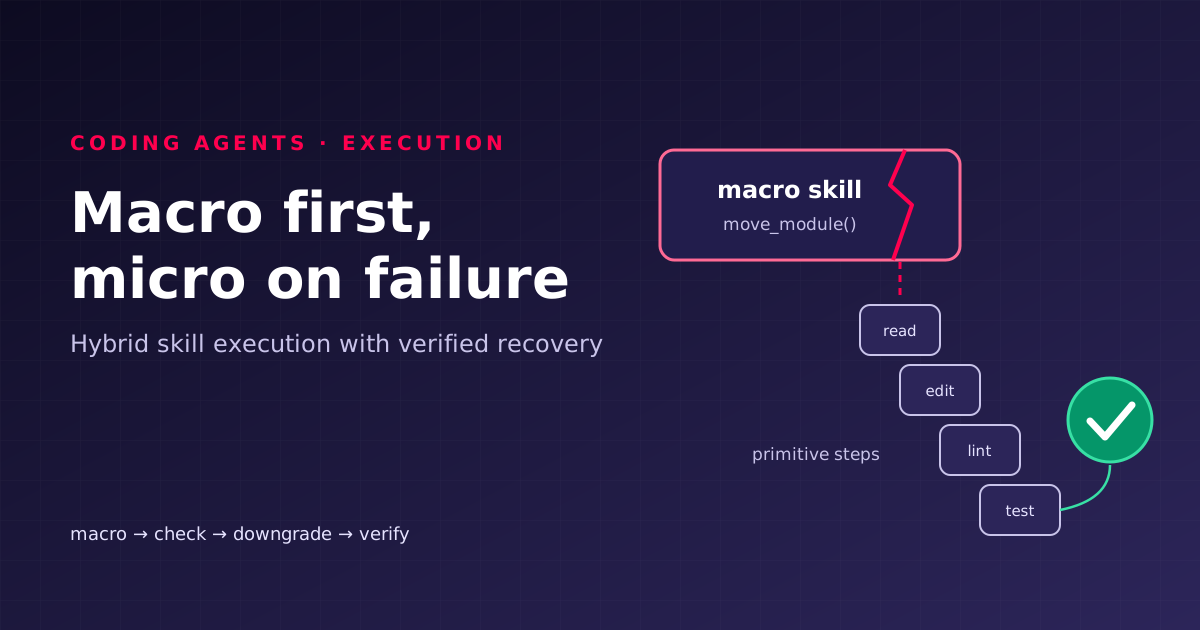
Hybrid Execution for Coding Agents: Macro Skills, Micro Recovery
Bundled macro skills make coding agents cheap but brittle; primitive tool calls make them robust but costly. Here is how to run macros first, verify every result, and fall back to small steps only when the workspace shows it is needed.
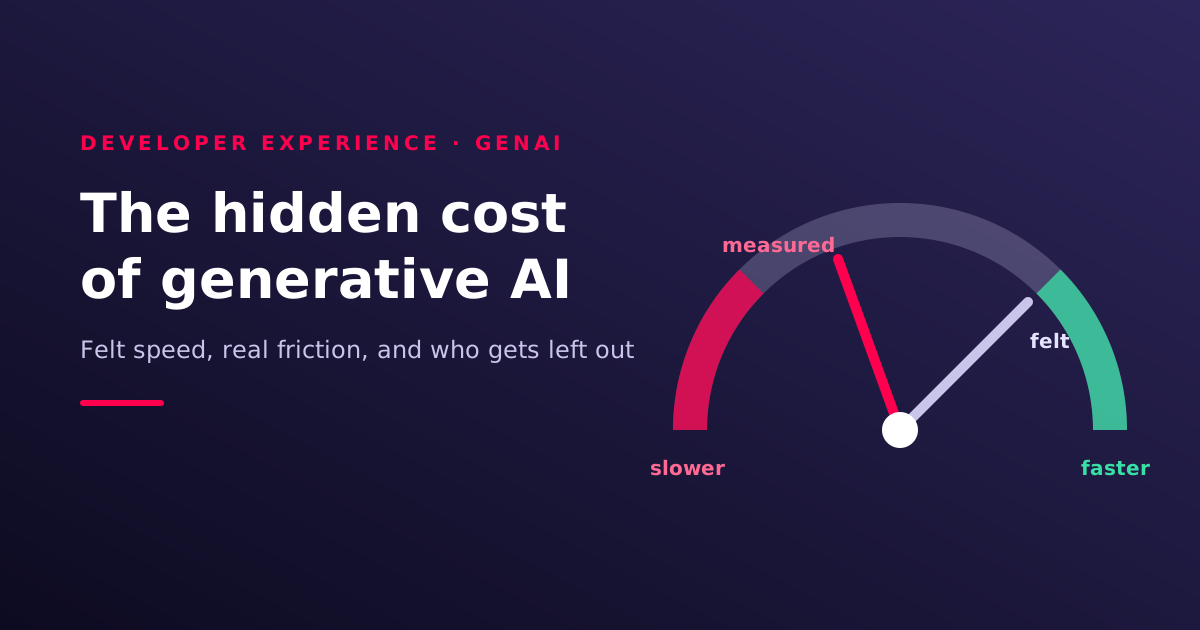
Generative AI's Hidden Impact on Developers: What Surveys Miss
Developers say AI makes them faster, but the evidence shows hidden costs: almost-right answers, a gap between felt and measured speed, tool admin work and accessibility barriers. Here is what the research says and how to measure it in your team.