Le blog Workstation
Tous les articles
Guides pratiques sur l'infrastructure IA, le MLOps, les modèles et la mise en production.
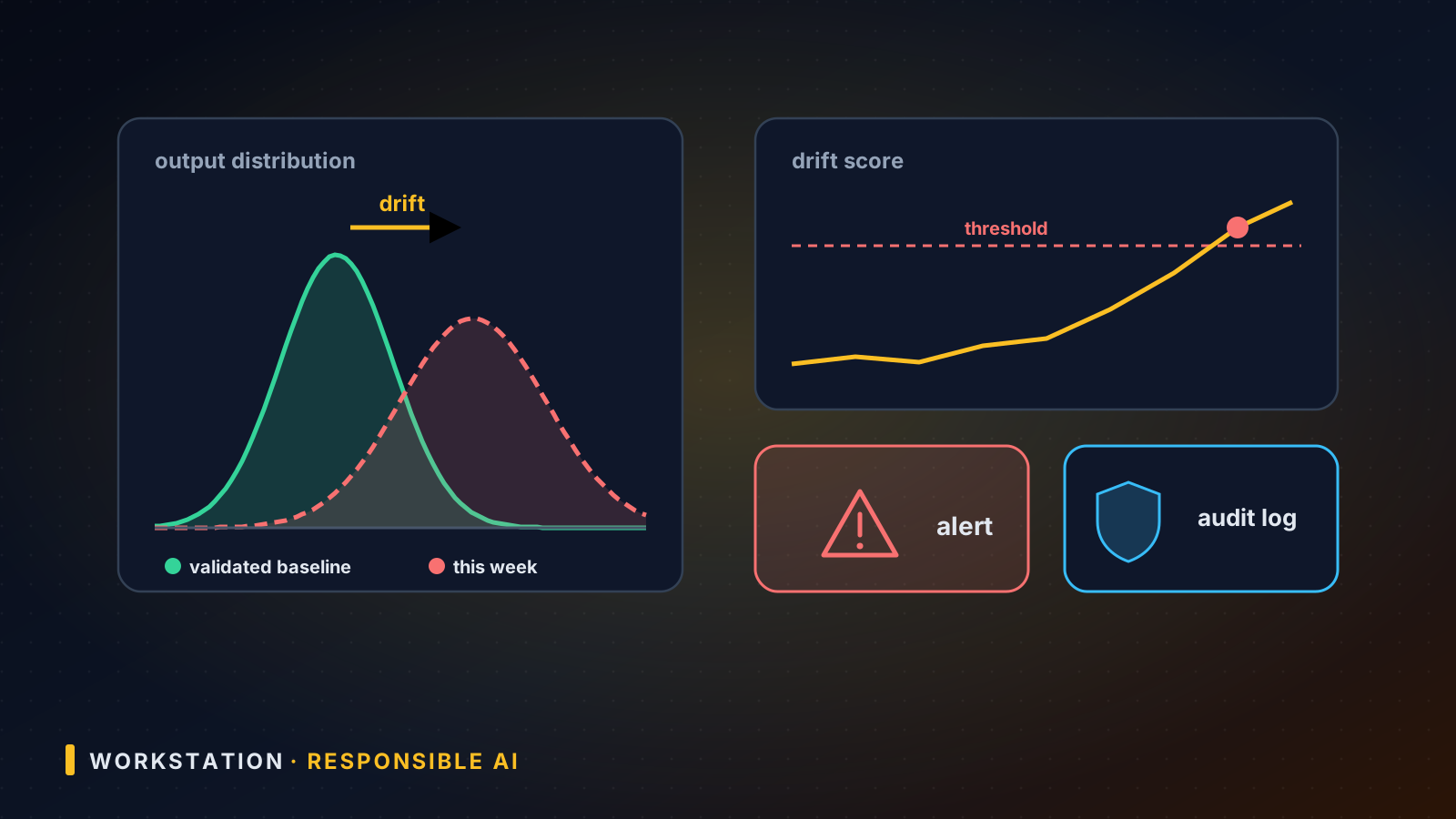
LLM Drift Detection in Regulated Environments
Regulated industries do not have the luxury of treating a Large Language Model deployment as an experiment. In banking, health tech, fintech and tax returns, a…

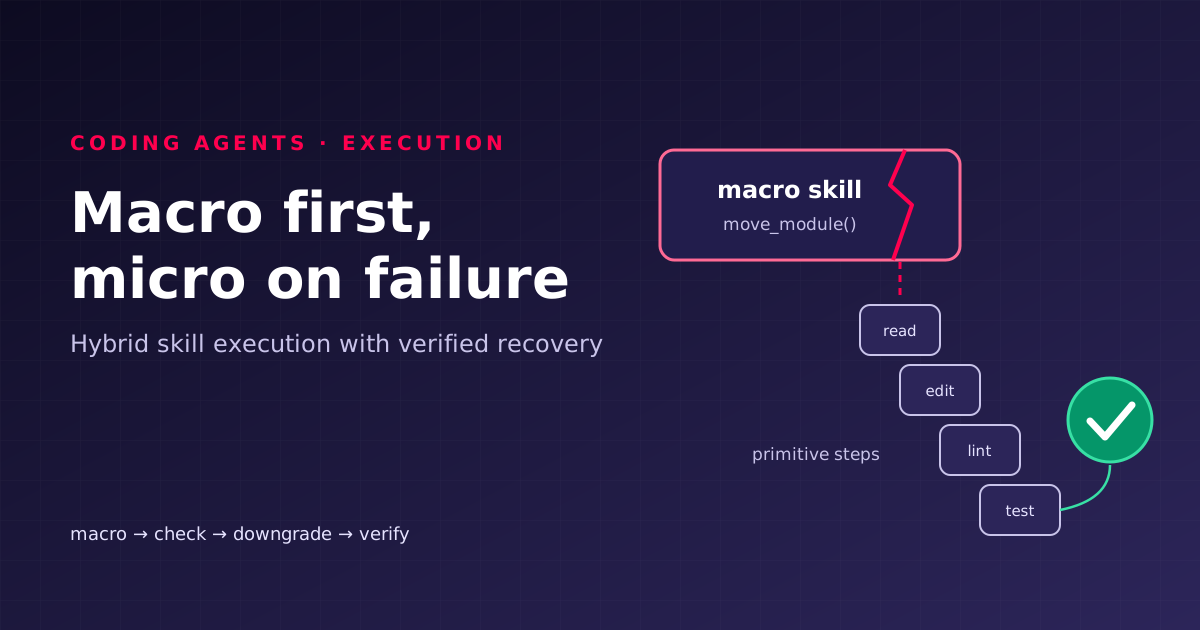
Hybrid Execution for Coding Agents: Macro Skills, Micro Recovery
Bundled macro skills make coding agents cheap but brittle; primitive tool calls make them robust but costly. Here is how to run macros first, verify every result, and fall back to small steps only when the workspace shows it is needed.
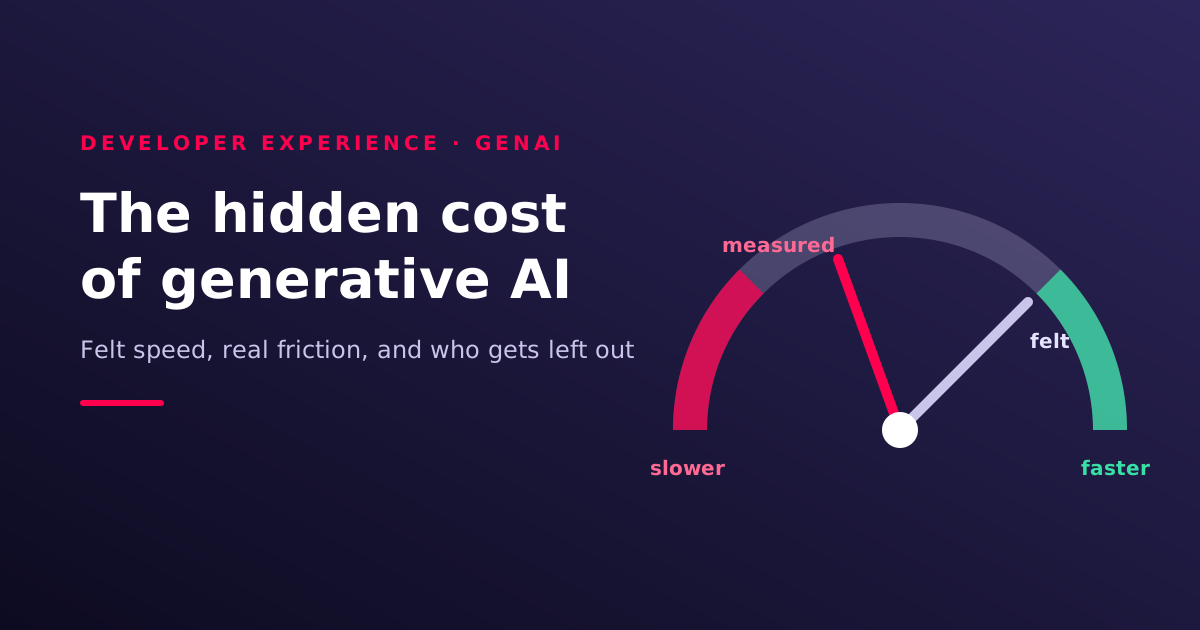
Generative AI's Hidden Impact on Developers: What Surveys Miss
Developers say AI makes them faster, but the evidence shows hidden costs: almost-right answers, a gap between felt and measured speed, tool admin work and accessibility barriers. Here is what the research says and how to measure it in your team.
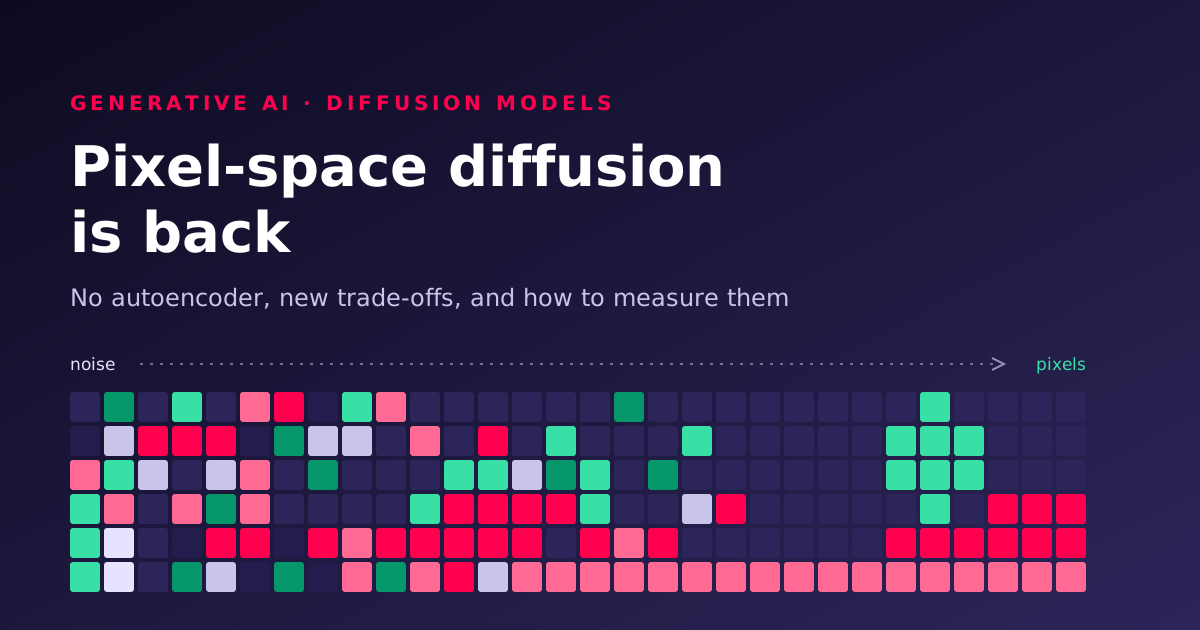
Pixel-Space Diffusion Is Back: What Changed and How to Evaluate It
Diffusion directly on pixels now competes with latent diffusion, without a separately trained autoencoder. What HDiT, SiD2, JiT and 2026 research changed, where pixel models still lose detail, and a practical way to test the trade-off on your own images.
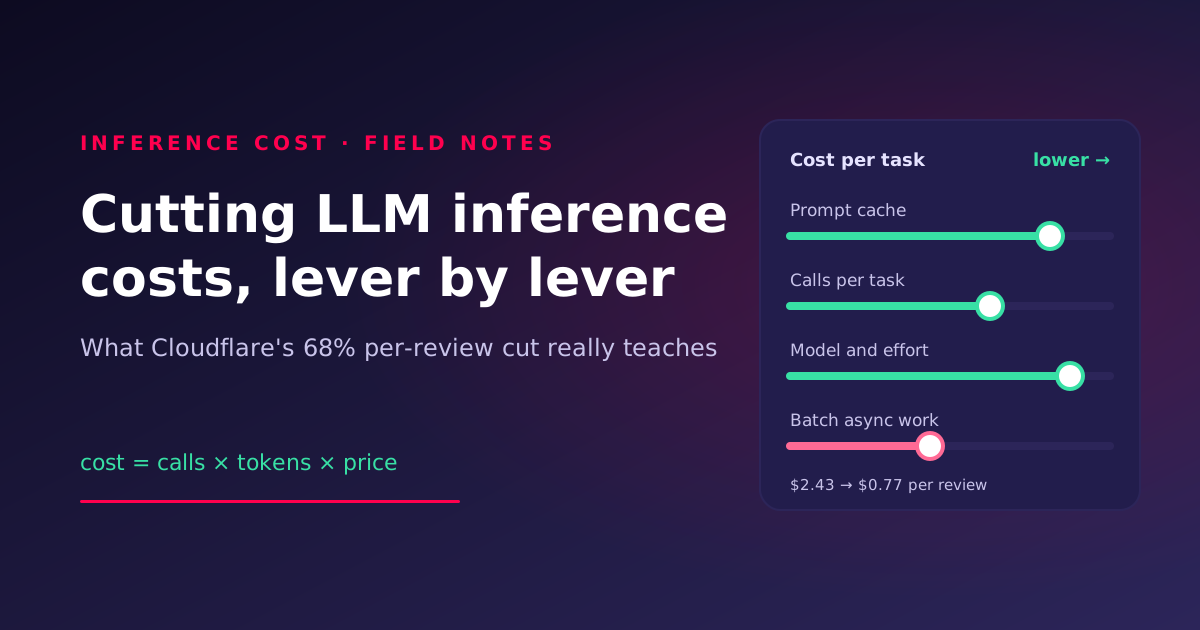
Cutting LLM Inference Costs: Lessons from Cloudflare's 68% Cut
Cloudflare cut its AI code reviewer's average cost per review by 68%. Here is what that number does and does not mean, and a measured playbook for your own workload: prompt cache breakpoints, fewer agent calls, right-sized models and batch.
LLMs Write Code, But Don't Fix Silos
Generative AI is changing how software gets built by shifting where developer skill is applied. The thesis is straightforward: LLMs accelerate code production…
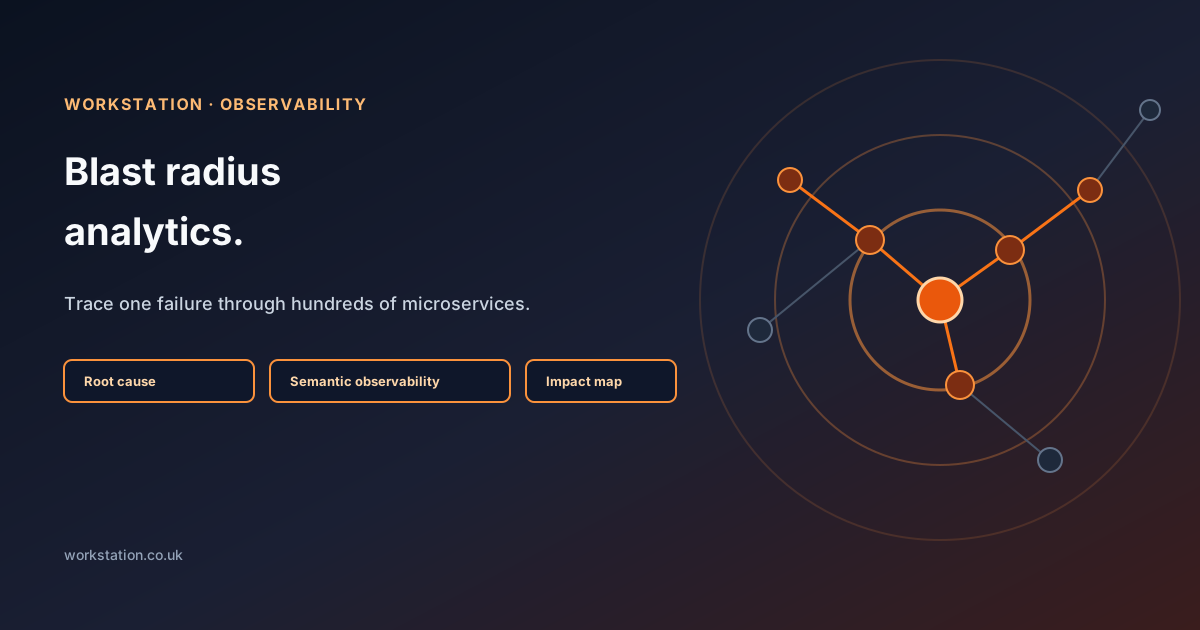
Blast Radius Analytics
The Complexity of Modern Distributed Microservices Modern banking, healthtech, and tax platforms are no longer monoliths. They are composed of hundreds of…
Beyond Unit Tests: Testing How Your System Fails and Recovers
Unit tests prove a function is correct, not that a system survives a slow database or a lost zone. A practical guide to cold-start integration tests, fault injection with Toxiproxy, circuit breakers, recovery drills and safely automated mitigation.
AI's Double-Edged Impact on DevOps: Faster Changes, Shakier Releases
DORA's research links AI adoption to lower delivery stability. A new simulation shows why: AI-written code overloads review and enlarges deployments, while CI agents can mask defects. Here is how to measure it and keep the speed.
Gateway API Shifts Cluster Networking: An Ownership Model for the Edge
Ingress is frozen and Ingress NGINX is retired. Gateway API replaces one shared object with resources owned by platform and application teams, joined by explicit handshakes. Here is what that means for platform design, RBAC, topology and CRD ownership.