Der Workstation-Blog
Security
Beiträge mit dem Tag Security.
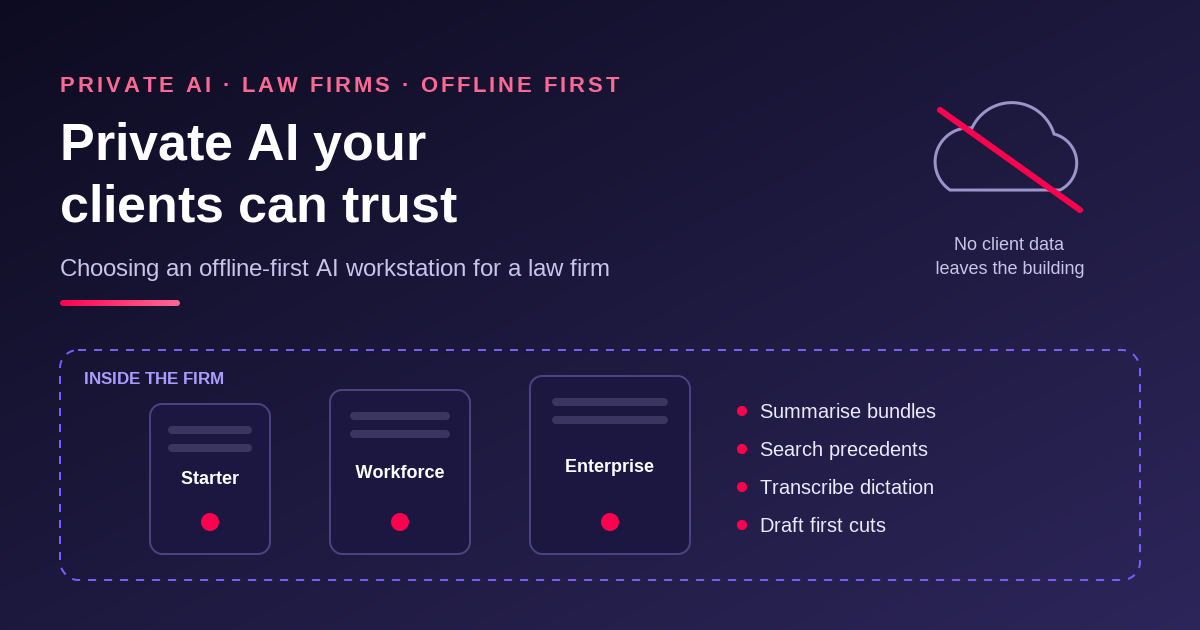
Private KI für Anwaltskanzleien: Eine Offline-first-Workstation wählen, der Ihre Mandanten vertrauen können
Wie eine Anwaltskanzlei eine Workstation für private KI auswählt, die ohne Internetverbindung läuft: wer sie nutzt, welches Modell, wie viel GPU-Speicher, wie stark sie isoliert sein muss und wer sie einrichtet. Mit echten Preisen aus einem echten Angebot, den Stellen, an denen es überdimensioniert war, und den Starter-, Workforce- und Enterprise-Konfigurationen, die wir tatsächlich ausliefern würden.
 Balinder WaliaLesen
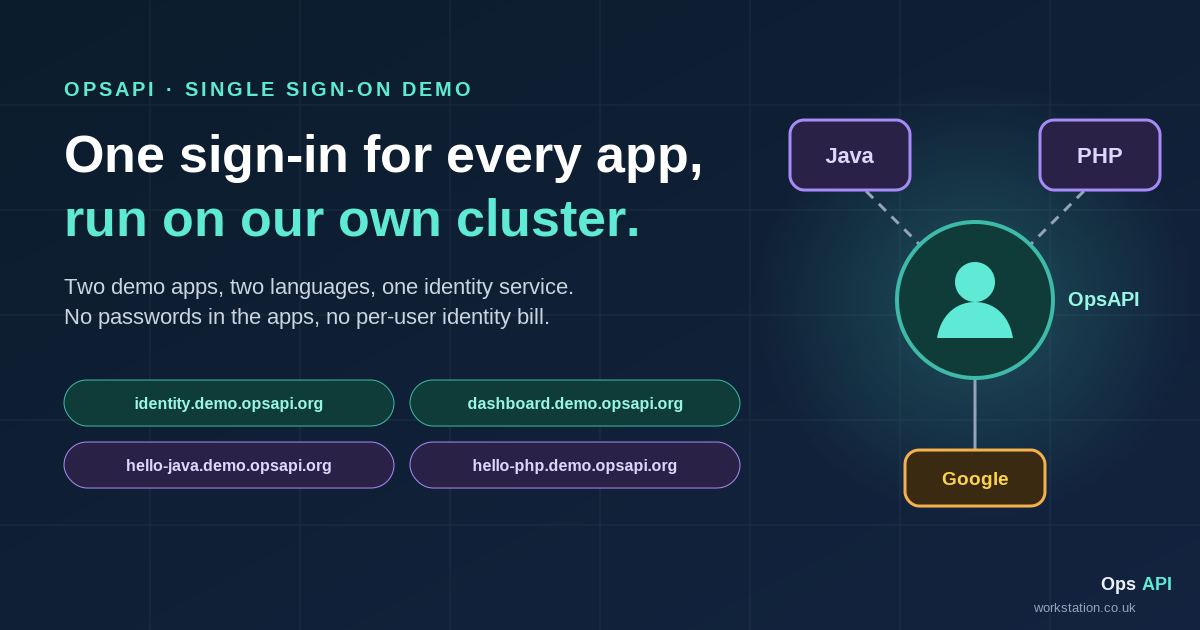
Eine Anmeldung für jede App, betrieben auf unserem eigenen Cluster
Fünf Demo-Apps in fünf Sprachen sehen nie ein Passwort und sprechen nie mit Google: Sie schicken Benutzer zu einem selbst gehosteten OpsAPI, das sie anmeldet und ein Token zurückgibt, das die App mit einem API-Aufruf prüft. Was das Anbinden einer App kostet, warum Admin-Dashboards hinter ein VPN oder einen Zero-Trust-Broker gehören, und die ehrlichen Grenzen.
Balinder WaliaLesen 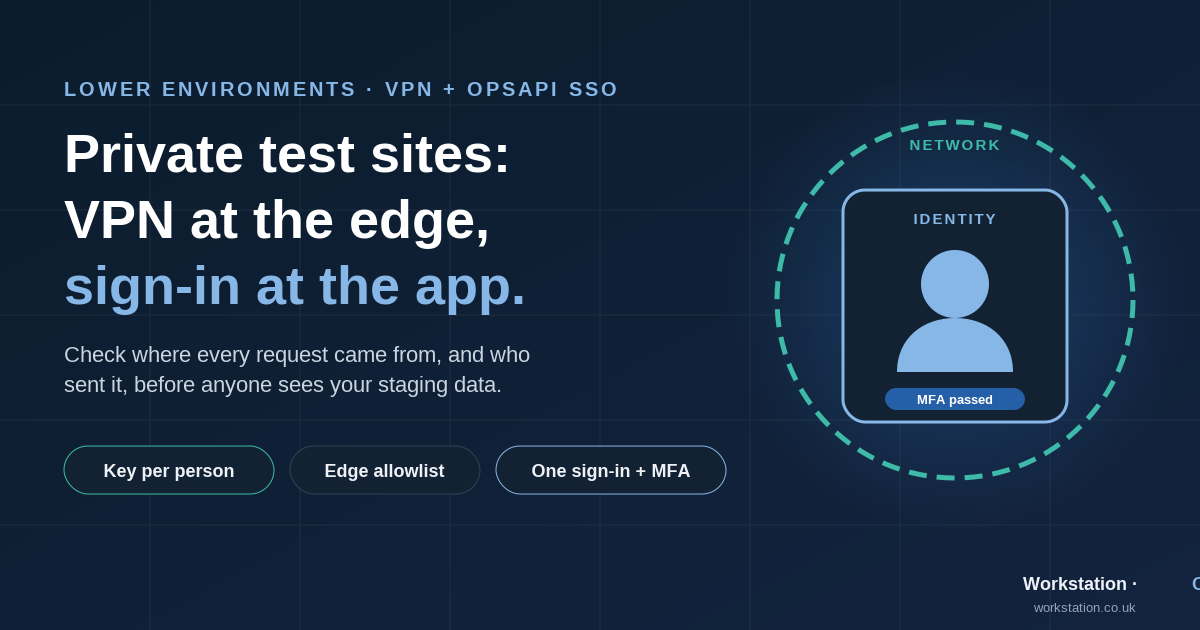
Halten Sie Ihre Test-Sites privat: VPN am Edge, eine Anmeldung für alle Apps
Staging- und Test-Sites enthalten realistisch wirkende Daten, werden aber oft nur durch eine IP-Allowlist geschützt. So halten zwei Ebenen sie privat: Ein am Edge geprüftes VPN belegt, woher eine Anfrage kam, und eine OpsAPI-Anmeldung mit MFA belegt, wer sie gesendet hat, über alle Apps hinweg.
Balinder WaliaLesen 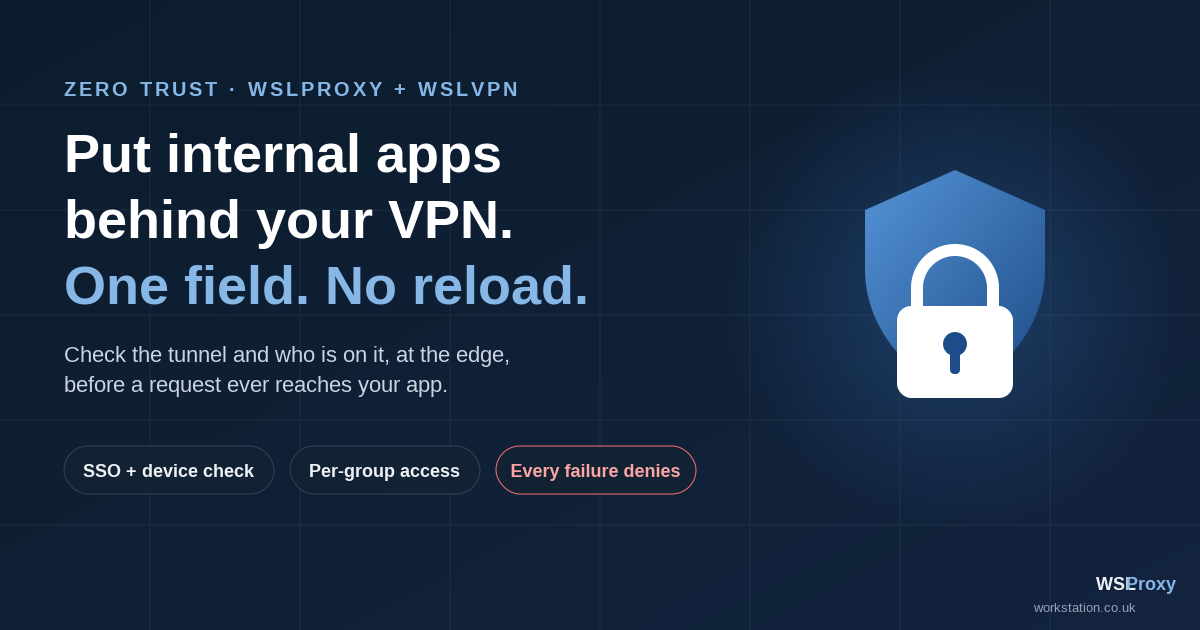
Interne Anwendungen hinter Ihr VPN stellen, ohne sie neu zu bauen
Staging-Sites und Admin-Panels sind oft nur dank einer IP-Allowlist „privat“. Stellen Sie sie hinter das Zero-Trust-VPN wslvpn, durchgesetzt am WSLProxy-Edge: Tunnel und Person prüfen, im Fehlerfall sperren und sehen, warum jemand blockiert wurde. Ein Feld pro Domain, keine Änderungen an der Anwendung, kein Neuladen.
Balinder WaliaLesen 
Gemini 4 Argon: Was es für Ihr Team bedeutet und wo Sie es zuerst einsetzen sollten
Gemini 4 Argon ist dafür gebaut, stundenlang an einem messbaren Problem zu arbeiten. Hier erfahren Sie, was veröffentlicht wurde, was es wirklich kostet und wie Sie es sicher an Ihrem eigenen Backlog erproben.
Balinder WaliaLesen 
WSL Vault für Compliance: Kein Mandant öffnet jemals die Secrets eines anderen
Wie WSL Vault App-, Team- und Umgebungsmandanten kryptografisch voneinander isoliert – sodass ein gestohlenes Token im Root-Stil nicht die gesamte Landschaft leeren kann – und warum Zwei-Mandanten-Kontrolle besser ist als Secrets-Wildwuchs.
Balinder WaliaLesen 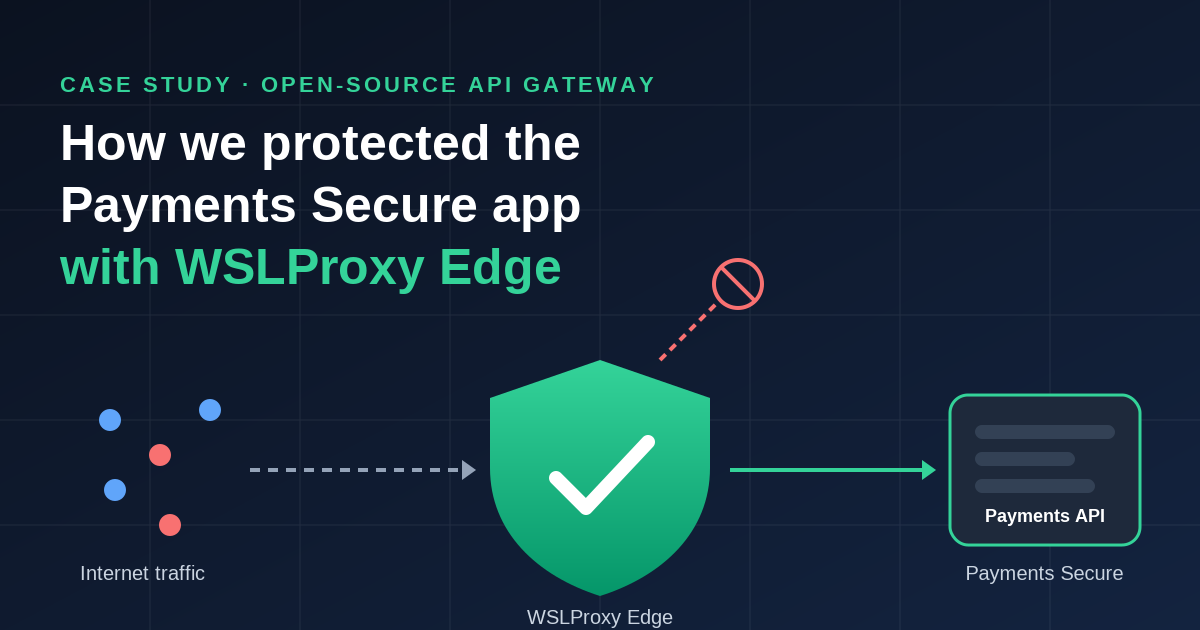
How We Protected the Payments Secure FinTech App with WSLProxy Edge, an Open-Source API Gateway
How we put WSLProxy Edge, our open-source API gateway, in front of Payments Secure (payments-secure.fictionally.org): real-IP checks, scanner detection, login throttling and audit logs, rolled out safely in audit mode.
Balinder WaliaLesen 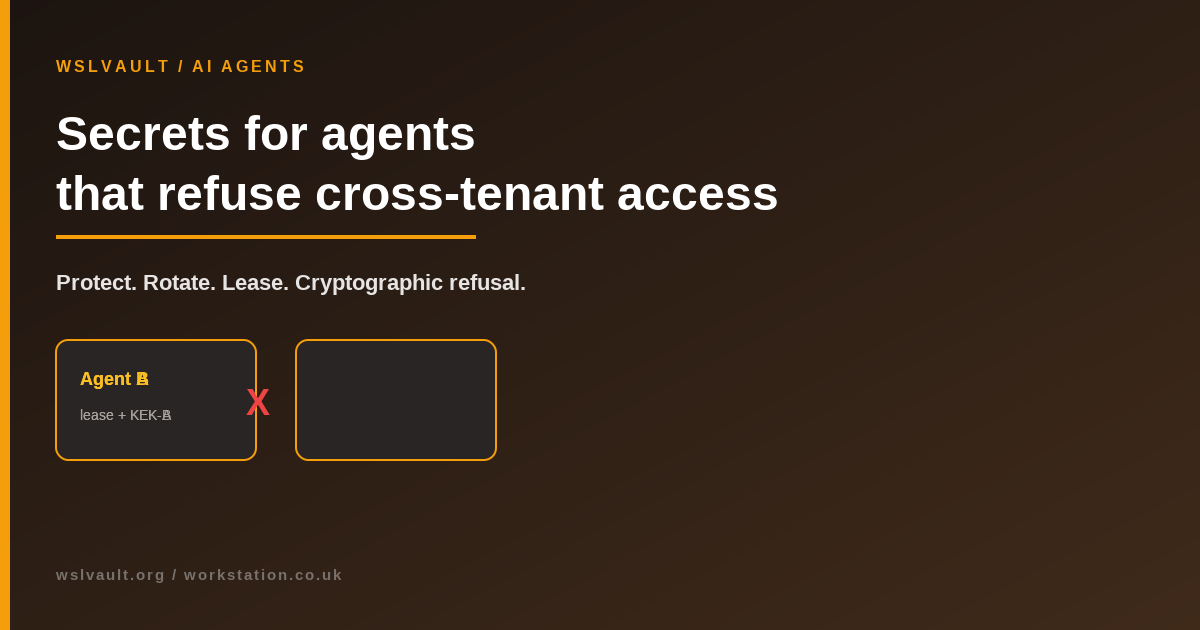
WSLVault: Why AI Agents Need Cryptographic Secrets Isolation
AI agents use secrets at machine speed across tools and tenants. WSLVault seals per tenant so a shared platform never leaks another team's plaintext.
Balinder WaliaLesen 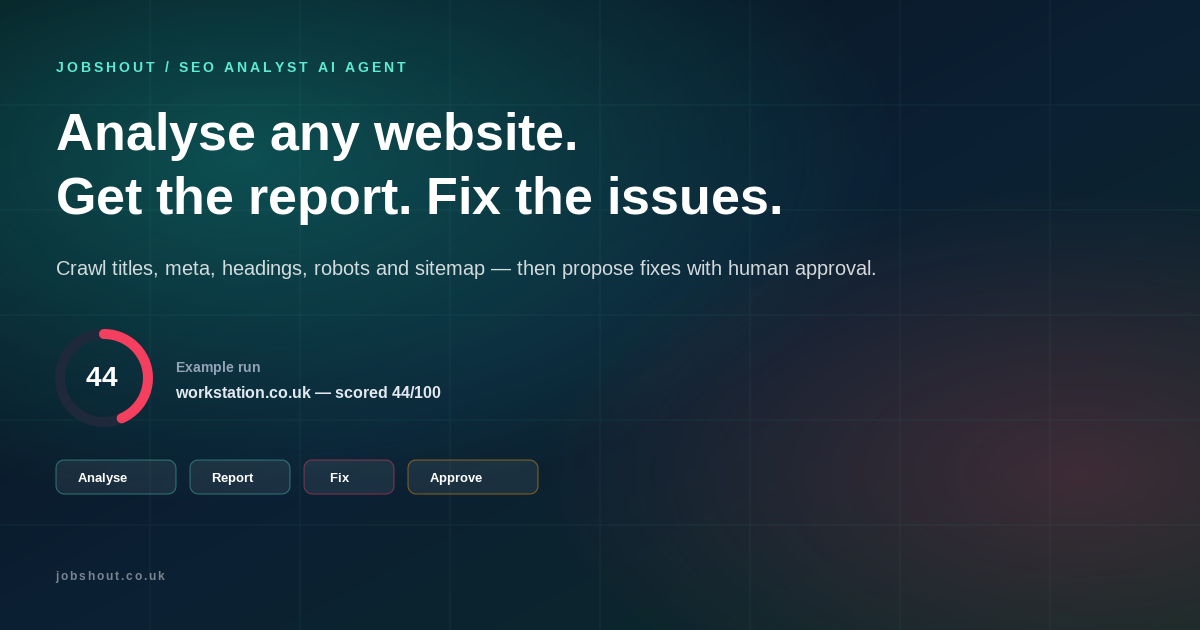
Jobshout SEO Analyst AI Agent — Analyse Any Website & Fix SEO Issues Automatically
We ran Jobshout SEO Analyst on workstation.co.uk — score 44/100 — with concrete fix prompts for missing H1, truncated title, and oversized meta description.
Balinder WaliaLesen 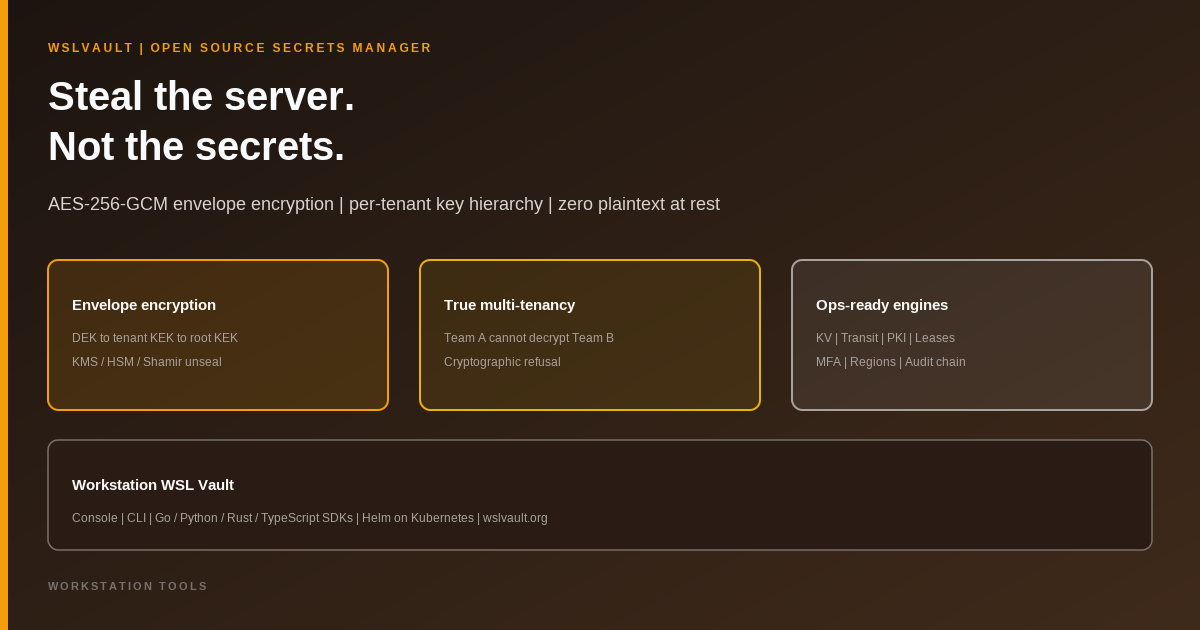
WSLVault: Steal the Server. Not the Secrets.
WSLVault seals secrets before they touch disk — DEK to tenant KEK to root KEK — so a stolen host still leaves attackers with ciphertext they cannot open.
Balinder WaliaLesen 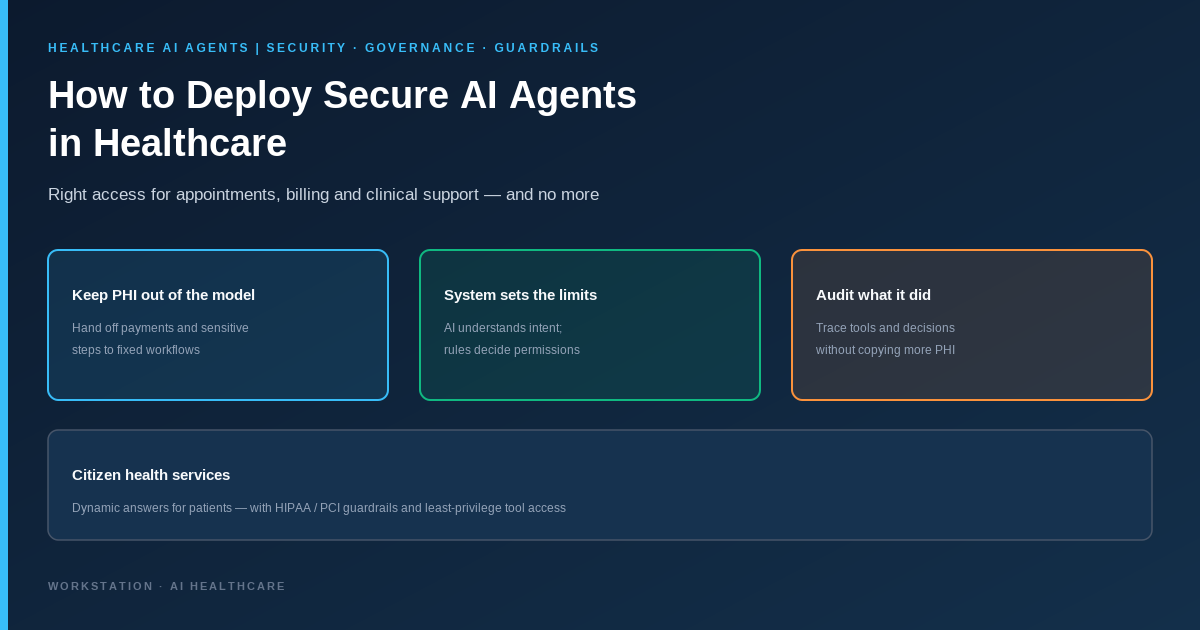
How to Deploy Secure AI Agents in Healthcare
AI agents can book appointments, take payments and support clinical work. Here is how healthcare teams can give them the right access, and no more.
Balinder WaliaLesen 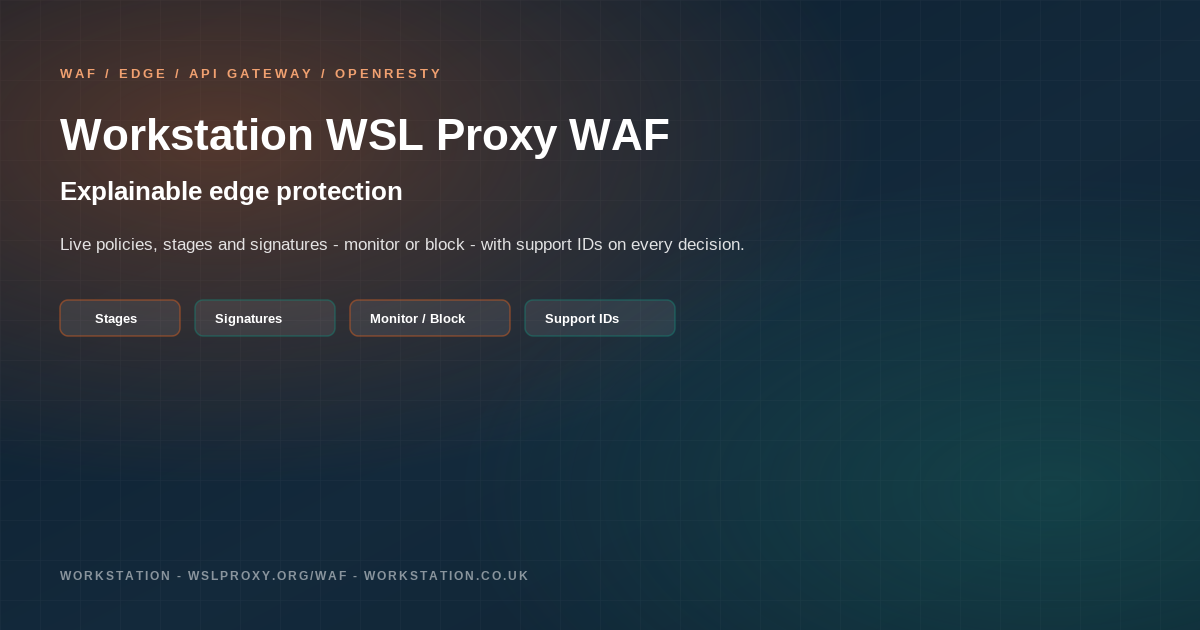
WSLProxy WAF Engine v2: Enterprise Enforcement You Can Explain
Workstation WSL Proxy WAF Engine v2: governed stages and signatures on the OpenResty hot path — explainable enforcement with support IDs.
Balinder WaliaLesen WSL Proxy WAF: Explainable Web Application Firewall at the Edge
Workstation WSL Proxy WAF: governed stages and signatures on a live-config OpenResty edge — monitor or block, with explainable support IDs.
Balinder WaliaLesen 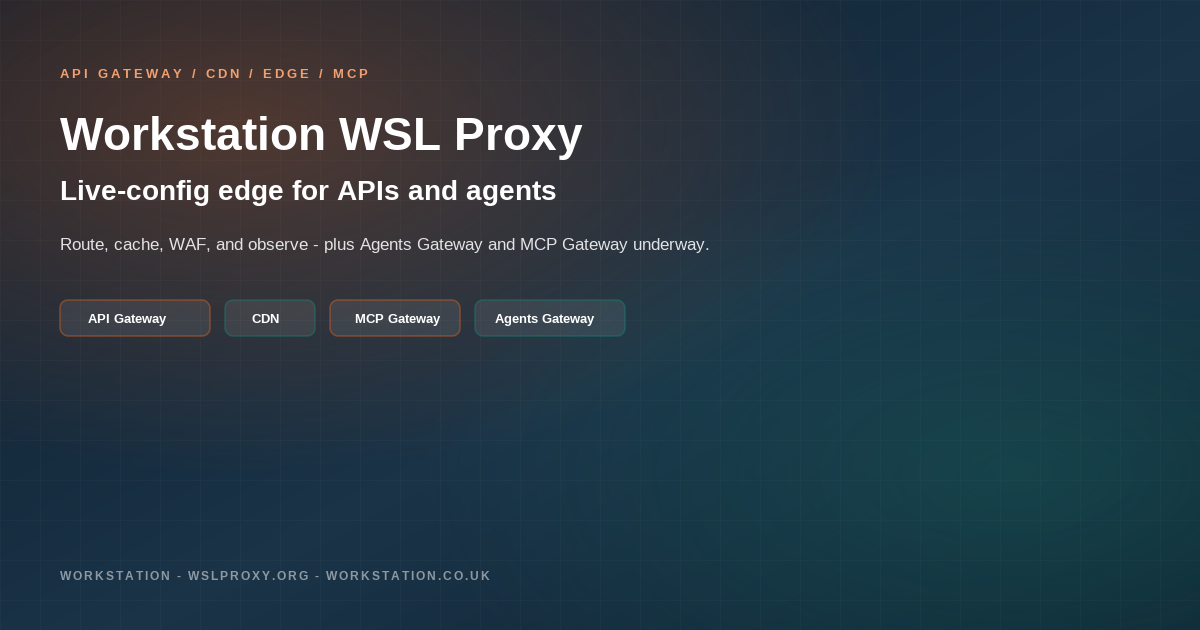
Workstation WSL Proxy: API Gateway, CDN & Agent Edge
Workstation WSL Proxy (WSLProxy) is a complete API gateway and CDN edge: live routing, WAF, cache, multi-POP DNS, MCP — with Agents Gateway and MCP Gateway in progress.
Balinder WaliaLesen 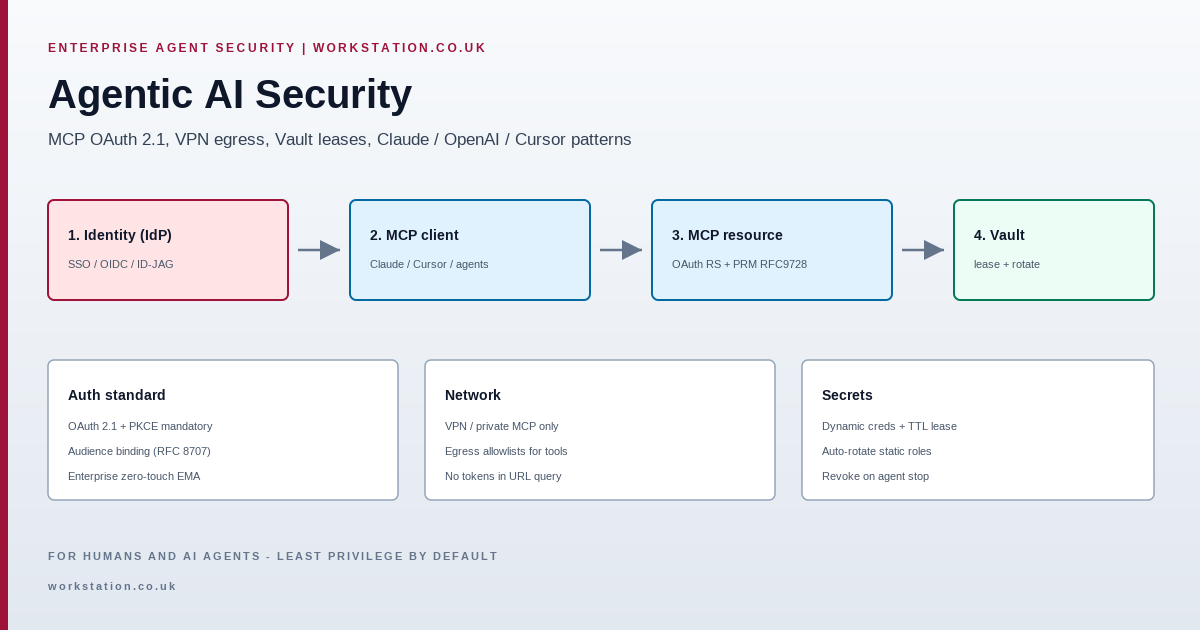
Agentic AI Security: MCP OAuth, VPN & HashiCorp Vault Leases
Secure enterprise AI agents with MCP OAuth 2.1, VPN-isolated tools, and HashiCorp Vault leases that auto-rotate and expire — plus Claude, OpenAI, and Cursor recommendations.
Balinder WaliaLesen 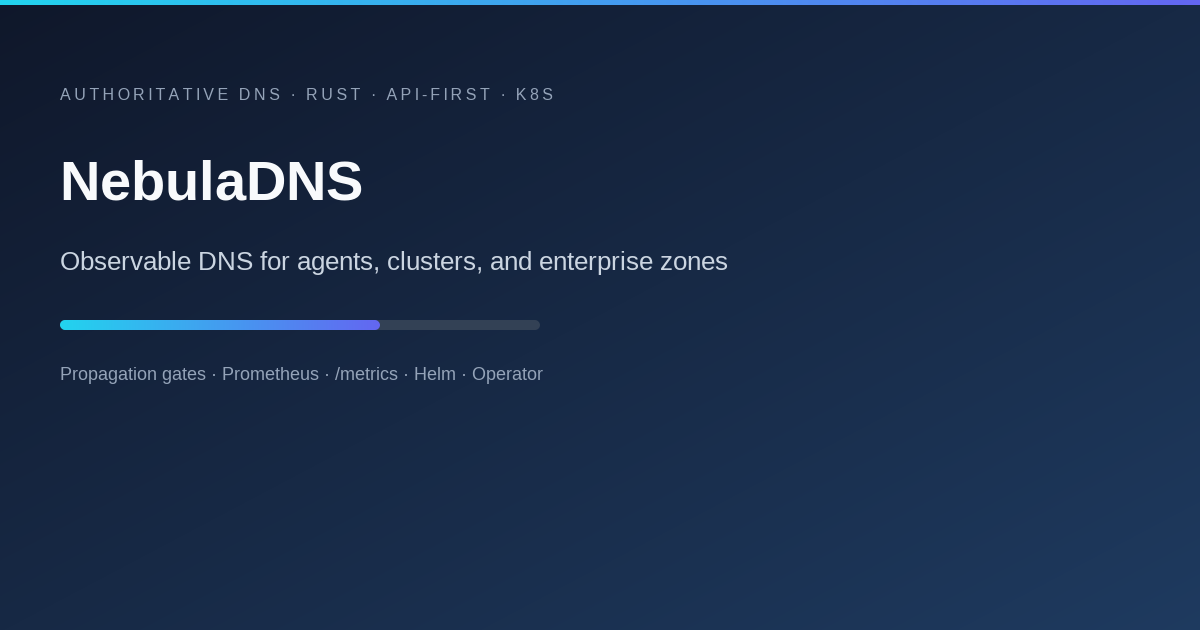
NebulaDNS Complete Feature Guide: k3s, Route53, Observability, and Enterprise DNS
Complete tour of NebulaDNS features: API-first control plane, Prometheus metrics, propagation gates, peer fingerprinting, DNSSEC roadmap, Helm/k3s operator story, and how to integrate with AWS Route 53 and CoreDNS.
Balinder WaliaLesen NebulaDNS: Why Authoritative DNS Is a Game Changer in the AI Era
NebulaDNS is a safe-Rust authoritative DNS server with an API-first control plane, Prometheus metrics, propagation gates, and Kubernetes-native operations—built for visibility when AI services and agents depend on DNS more than ever.
Balinder WaliaLesen 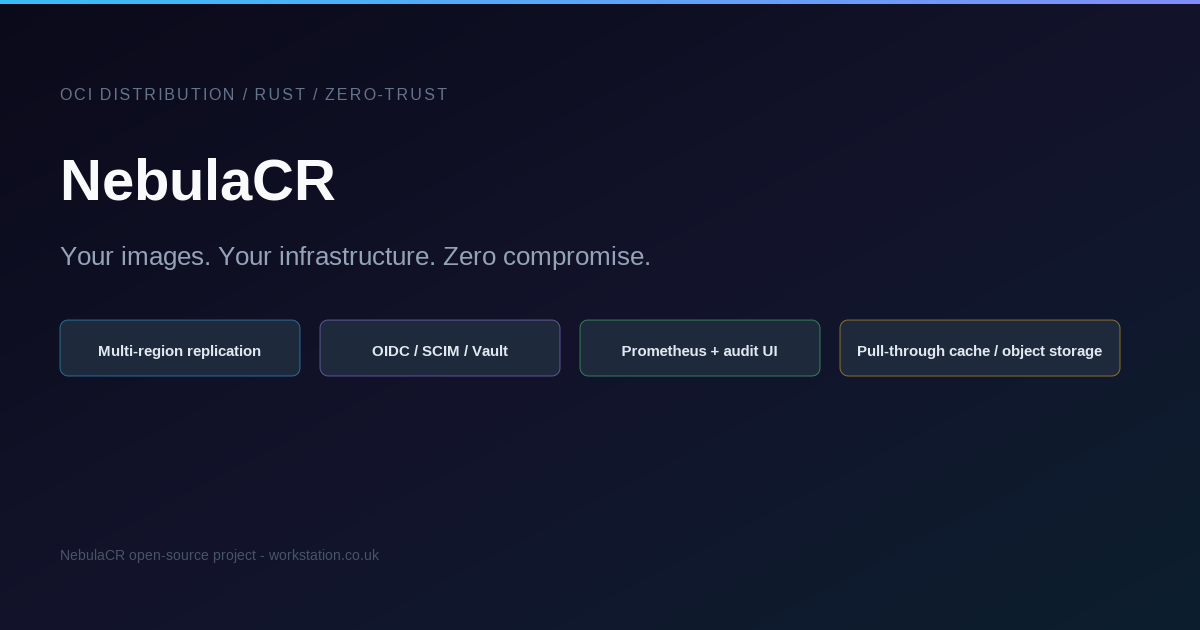
NebulaCR: Enterprise OCI Registry, Observability, and Compliance Without Compromise
Professional overview of NebulaCR: Rust OCI registry with nebula-registry and nebula-auth, zero-trust OIDC for humans and CI, SCIM lifecycle, Prometheus and OpenTelemetry, multi-region replication, pull-through cache, and Kubernetes Helm deployment—synthesised from the upstream docs/ and README.
Balinder WaliaLesen