Der Workstation-Blog
LLM
Beiträge mit dem Tag LLM.
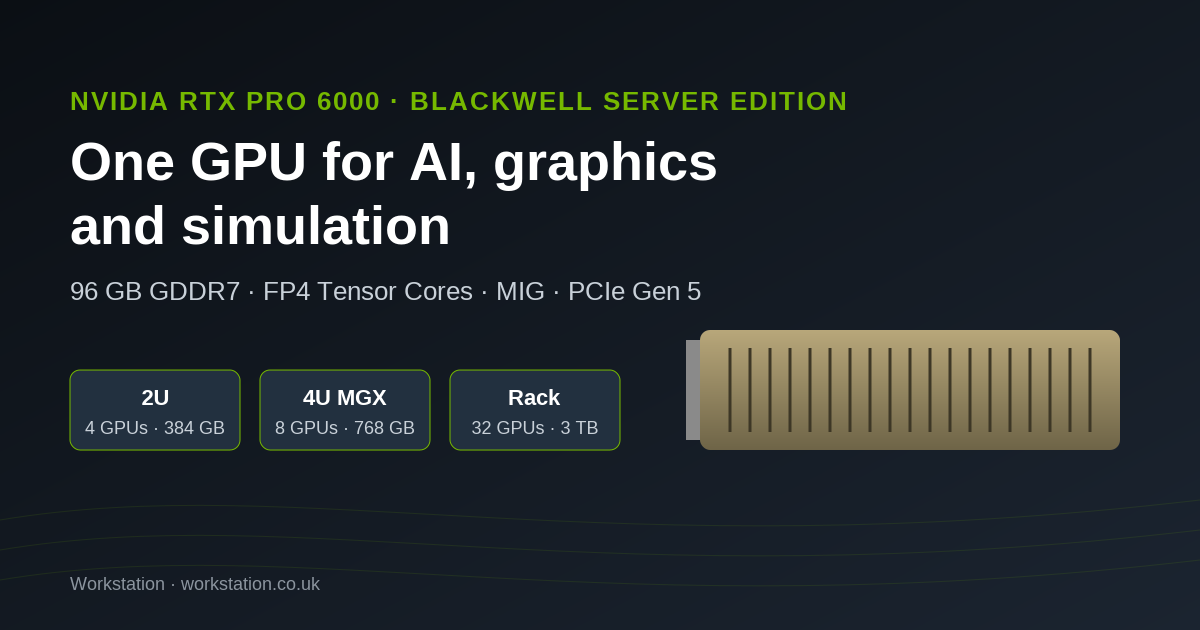
NVIDIA RTX PRO 6000 Blackwell Server Edition: Eine GPU für KI, Grafik und Simulation im britischen Serverraum
96 GB GDDR7, FP4-Tensor-Cores und RT-Cores auf einer Standard-PCIe-Karte: was NVIDIAs RTX PRO 6000 Blackwell Server Edition leistet, warum sie zu Unternehmen passt, die private KI in bereits vorhandenen Räumen betreiben, die drei Systemgrößen vom 2U-Server mit vier GPUs bis zum Rack mit 32 GPUs wie AMAX' RackScale 32 und was Sie vor der Bestellung prüfen sollten.
 Balinder WaliaLesen
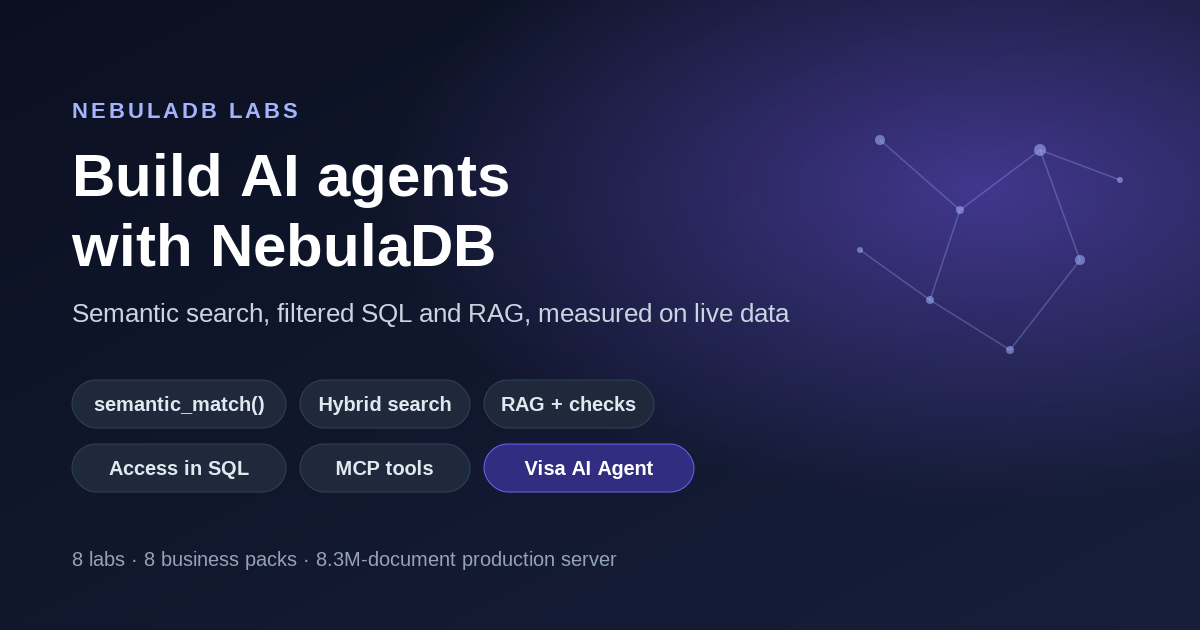
KI-Agenten mit NebulaDB bauen: semantische Suche, RAG und ein Visa-KI-Agent
Wie wir semantische Suche, RAG und einen KI-Agenten für thailändische Visa auf NebulaDB gebaut haben, mit echten Abfragen, Abfrageplänen und Retrieval-Werten, gemessen auf unserem Produktionsserver mit 8,3 Millionen Dokumenten, und die Schutzmechanismen, die private Daten und erfundene Zahlen aus den Antworten heraushalten.
Balinder WaliaLesen 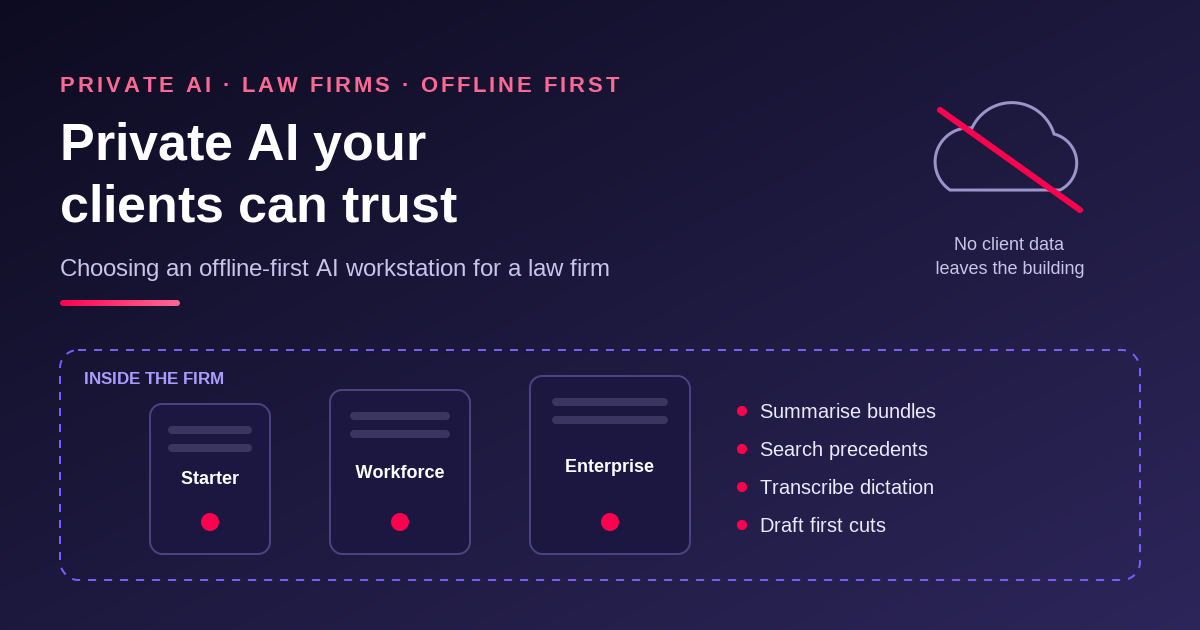
Private KI für Anwaltskanzleien: Eine Offline-first-Workstation wählen, der Ihre Mandanten vertrauen können
Wie eine Anwaltskanzlei eine Workstation für private KI auswählt, die ohne Internetverbindung läuft: wer sie nutzt, welches Modell, wie viel GPU-Speicher, wie stark sie isoliert sein muss und wer sie einrichtet. Mit echten Preisen aus einem echten Angebot, den Stellen, an denen es überdimensioniert war, und den Starter-, Workforce- und Enterprise-Konfigurationen, die wir tatsächlich ausliefern würden.
Balinder WaliaLesen 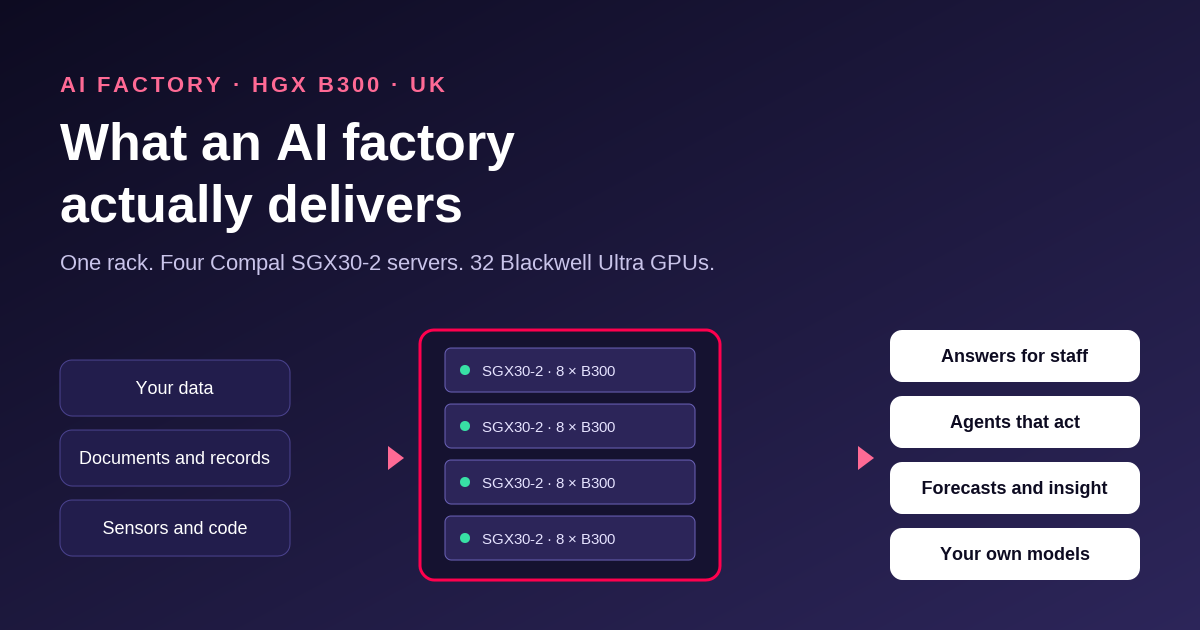
Was eine KI-Fabrik tatsächlich liefert: Ein Rack, 32 Blackwell Ultra GPUs und die Arbeit, die sie für Sie erledigt
Eine KI-Fabrik verwandelt Ihre eigenen Daten auf Hardware unter Ihrer Kontrolle in Antworten, Agenten, Prognosen und trainierte Modelle. Hier erfahren Sie, was hineingeht, was herauskommt, wie die Arbeit täglich abläuft und was ein Rack mit vier Compal SGX30-2 Servern und 32 NVIDIA Blackwell Ultra GPUs für den Betrieb benötigt.
Balinder WaliaLesen 
Gemini 4 Argon: Was es für Ihr Team bedeutet und wo Sie es zuerst einsetzen sollten
Gemini 4 Argon ist dafür gebaut, stundenlang an einem messbaren Problem zu arbeiten. Hier erfahren Sie, was veröffentlicht wurde, was es wirklich kostet und wie Sie es sicher an Ihrem eigenen Backlog erproben.
Balinder WaliaLesen 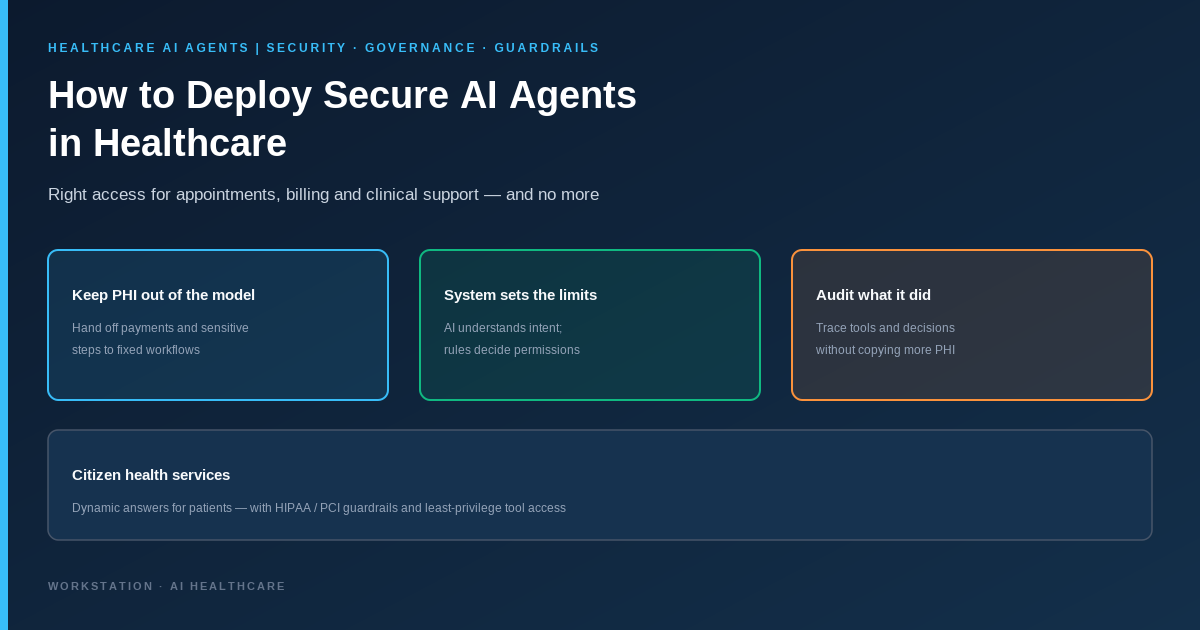
How to Deploy Secure AI Agents in Healthcare
AI agents can book appointments, take payments and support clinical work. Here is how healthcare teams can give them the right access, and no more.
Balinder WaliaLesen 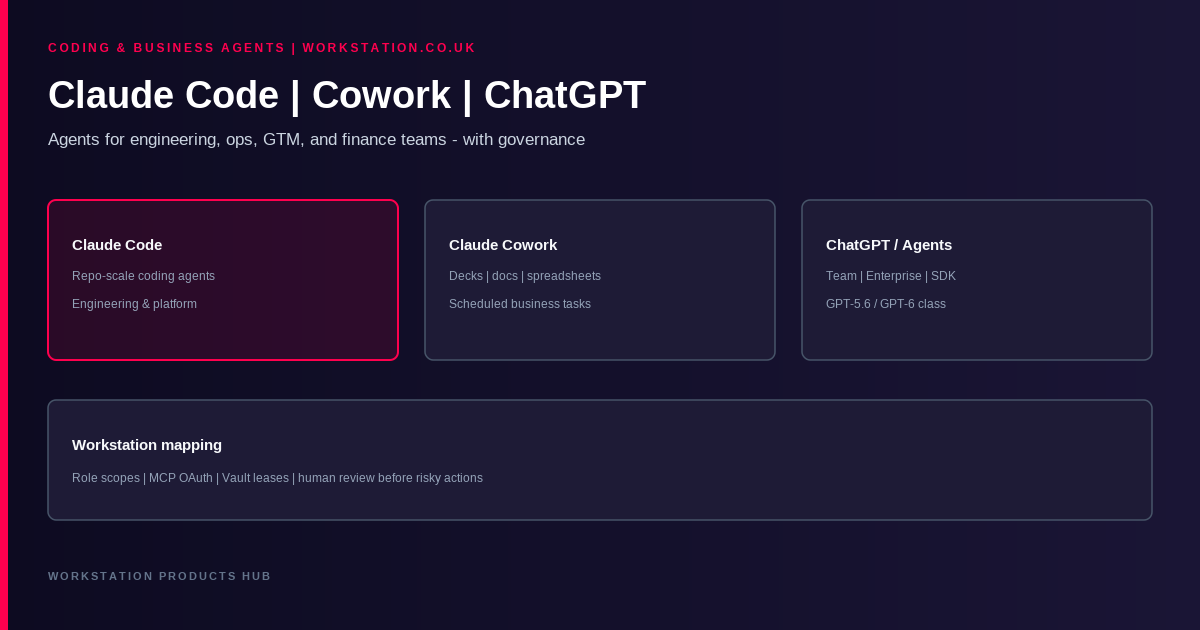
Claude Code, Claude Cowork & ChatGPT for Business Teams
Which teams should use Claude Code, Claude Cowork, or ChatGPT/OpenAI Agents — and the controls Workstation recommends before production.
Balinder WaliaLesen 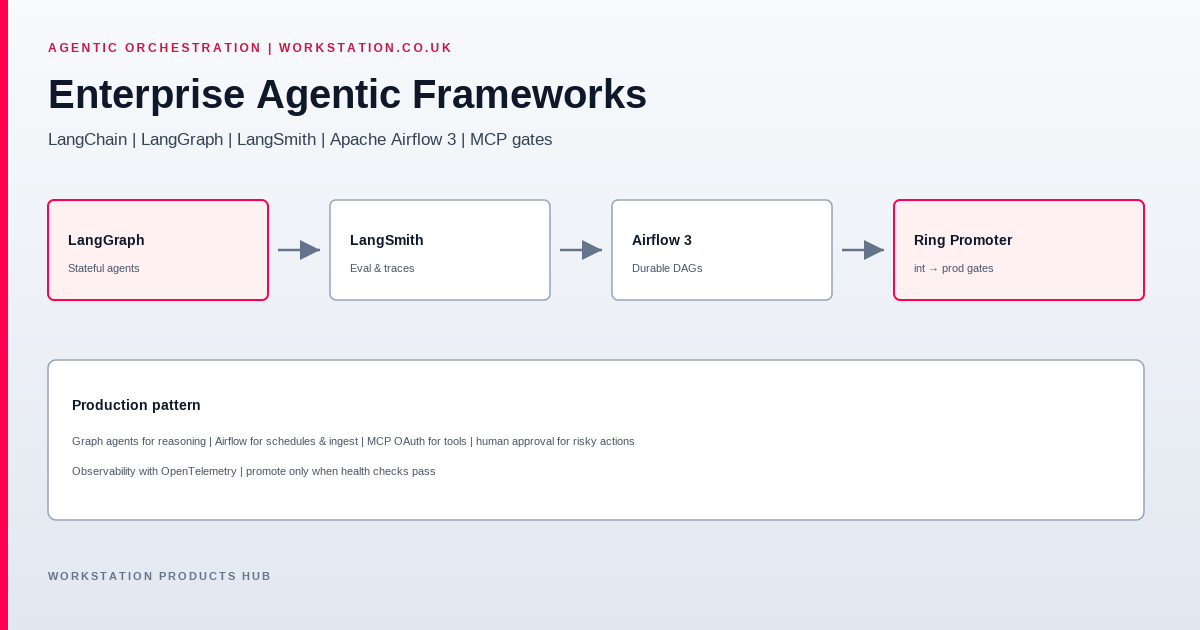
Enterprise Agentic Frameworks: LangChain, LangGraph & Airflow 3
Operational guide to LangGraph agents, LangSmith evals, and Apache Airflow 3 schedules — with Workstation promotion and edge patterns.
Balinder WaliaLesen 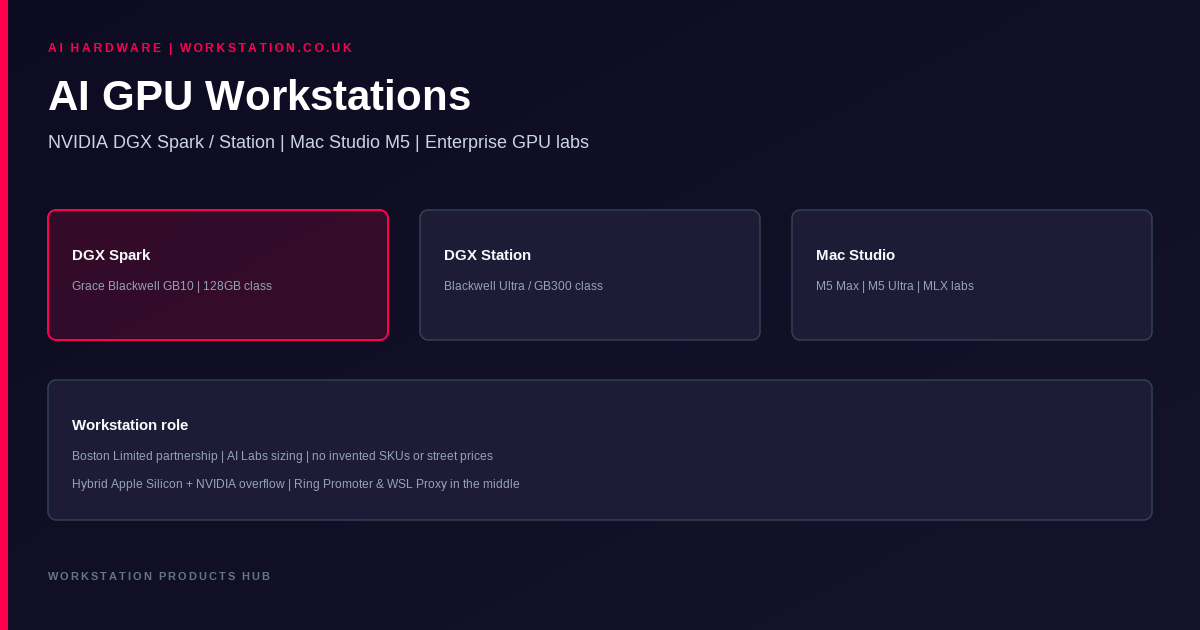
AI GPU Workstations: NVIDIA DGX Spark/Station & Mac Studio M5
How Workstation maps NVIDIA DGX Spark, DGX Station, and Mac Studio M5 into AI Labs and SME packages — factual positioning, no invented prices.
Balinder WaliaLesen 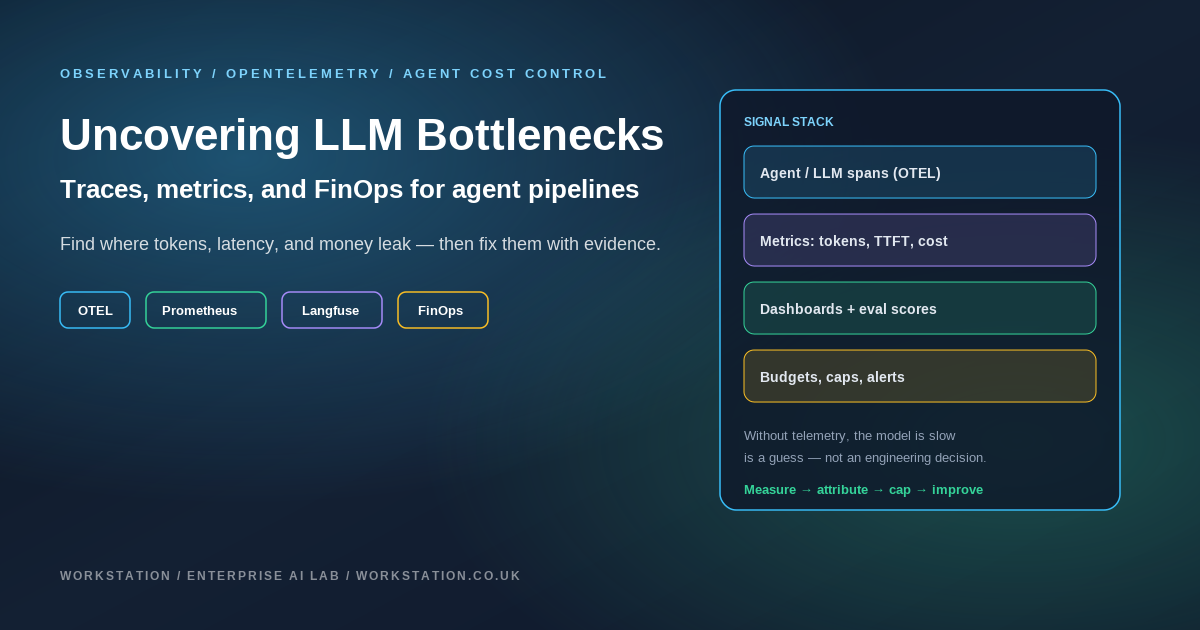
Uncovering LLM Bottlenecks: Observability, OTEL & Cost Control
Workstation on uncovering LLM agent bottlenecks with observability: OpenTelemetry, Prometheus/Grafana/Thanos, Langfuse — with clear pros/cons, cost levers, and usage metrics that protect margins.
Balinder WaliaLesen 
Turbocharging LLMs
Workstation on turbocharging LLMs: PagedAttention paging for KV cache, vLLM serving, Self-Debugging for agents, PowerInfer token rates, and EG-MLA memory cuts — with production trade-offs.
Balinder WaliaLesen 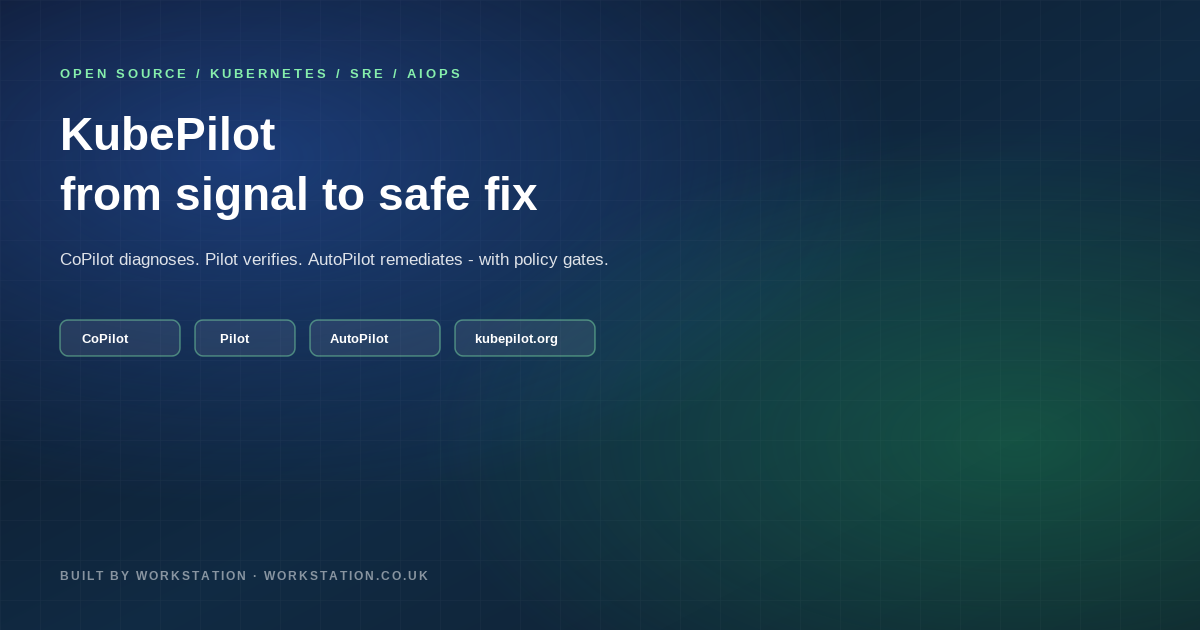
KubePilot: CoPilot, Pilot & AutoPilot for Faster Kubernetes Incidents
KubePilot helps SRE, DevOps, and platform teams move from noisy cluster signals to a safe fix — CoPilot, Pilot, and AutoPilot. Open source at kubepilot.org.
Balinder WaliaLesen 
Muse Glimmer on Ollama: Always-On Local Agents on One GPU
Meta Muse Glimmer brings always-on local agents to a single GPU via Ollama: 30B, Apache 2.0, 128K context, vision and tools — Workstation business guide.
Balinder WaliaLesen 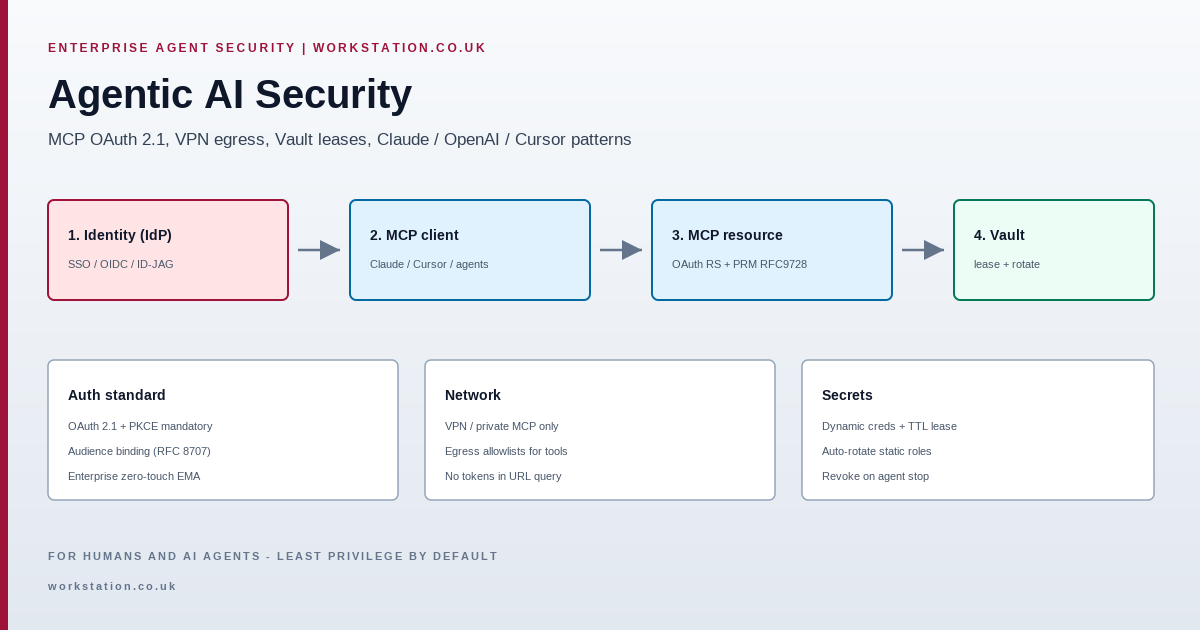
Agentic AI Security: MCP OAuth, VPN & HashiCorp Vault Leases
Secure enterprise AI agents with MCP OAuth 2.1, VPN-isolated tools, and HashiCorp Vault leases that auto-rotate and expire — plus Claude, OpenAI, and Cursor recommendations.
Balinder WaliaLesen 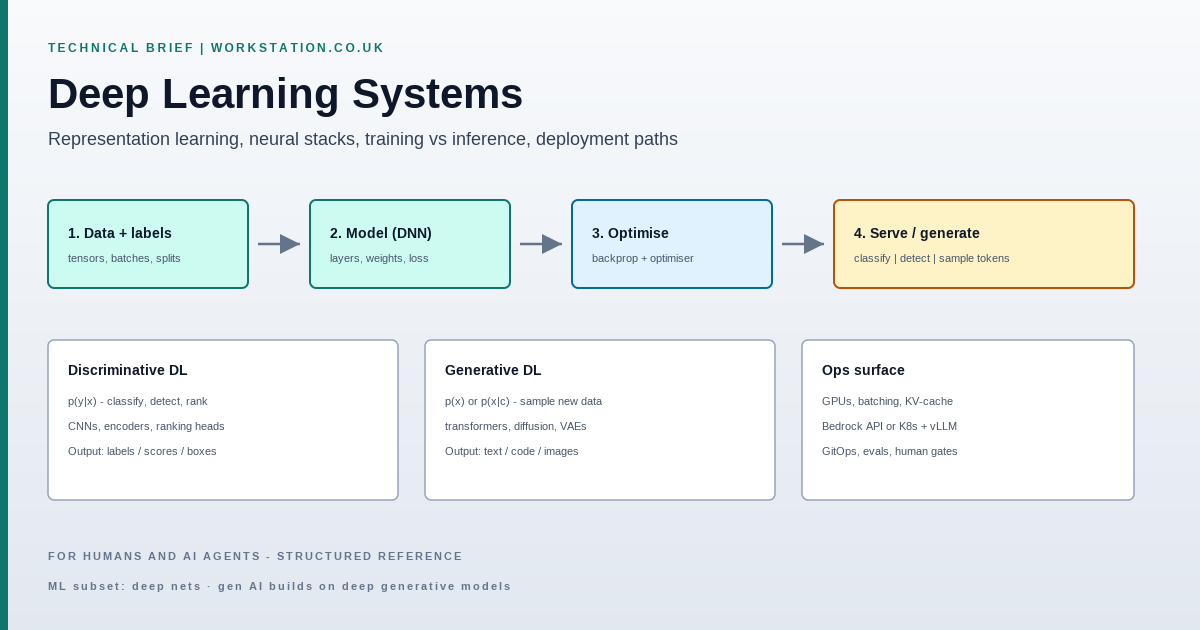
Deep Learning Systems: Technical Brief for Engineers & Agents
Technical Workstation brief on deep learning: gradient-trained deep nets, discriminative vs generative models, task metrics, and Bedrock vs Kubernetes serving.
Balinder WaliaLesen 
Kimi K3 & Open Weights: Frontier Agents Without Locked-In APIs
Kimi K3 pushes open-weight models into frontier agent territory. What changed for developers, vLLM serving, MCP, and Workstation production advice.
Balinder WaliaLesen 
Claude Opus 5 on AWS: Workstation Guide for Builders & Business
Workstation take on Claude Opus 5 on Amazon Bedrock: agentic coding, long-running agents, 1M context, ZDR by default, and how teams should adopt it.
Balinder WaliaLesen 
Amazon Bedrock, AgentCore, SageMaker & Q: Agents in Microsoft Teams
Implement Amazon Bedrock, Bedrock AgentCore, SageMaker, and Amazon Q, then launch a first business agent in Microsoft Teams — with requirements, tooling, and time boxes.
Balinder WaliaLesen 
Claude Models Compared: Haiku vs Sonnet vs Opus vs Fable 5 (Mythos 5)
Choose the right Claude model tier: Haiku for fast routing, Sonnet for daily work, Opus for complex agentic coding, and Fable 5 for long-horizon autonomy. Includes a token-budget router blueprint.
Balinder WaliaLesen 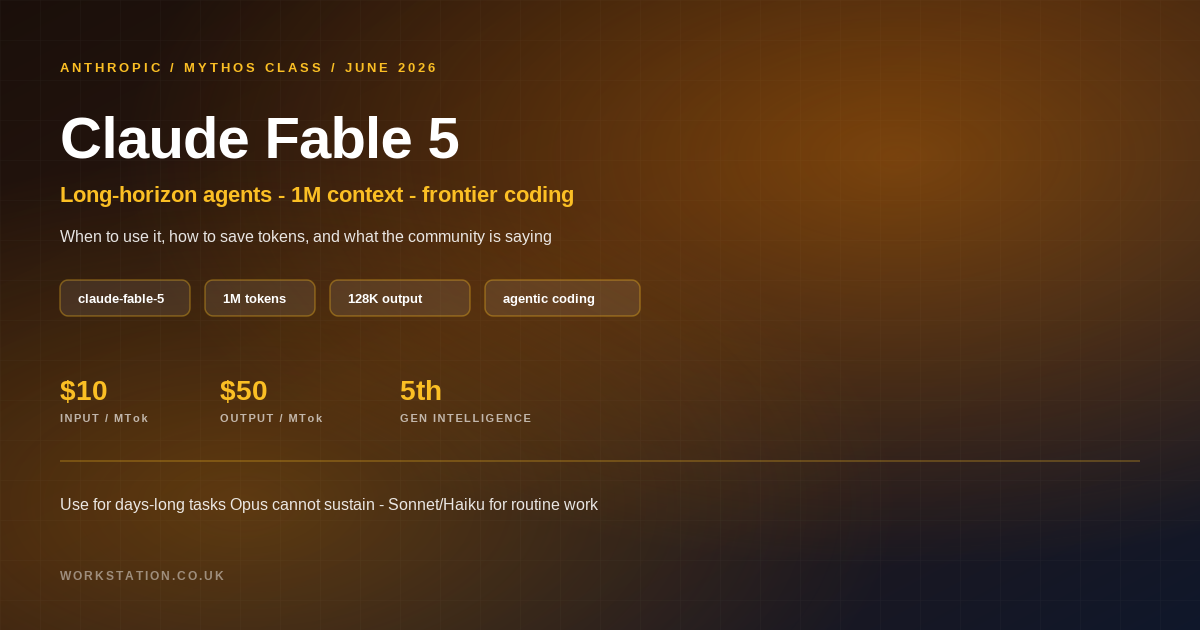
Claude Fable 5: The Complete Guide to Anthropic's Mythos-Class Model
Claude Fable 5 is Anthropic's Mythos-class frontier model for long-horizon agents. Community reactions, YouTube reviews, when to use it, and how to save tokens.
Balinder WaliaLesen 
Large Language Models Explained: How LLMs Work and How to Run Your Own on Kubernetes
What are Large Language Models and how do they work? A clear, non-technical explainer for managers and engineers — tokens, embeddings, transformers, training and inference — plus production Kubernetes YAML to deploy your own LLM with Ollama and vLLM.
Balinder WaliaLesen 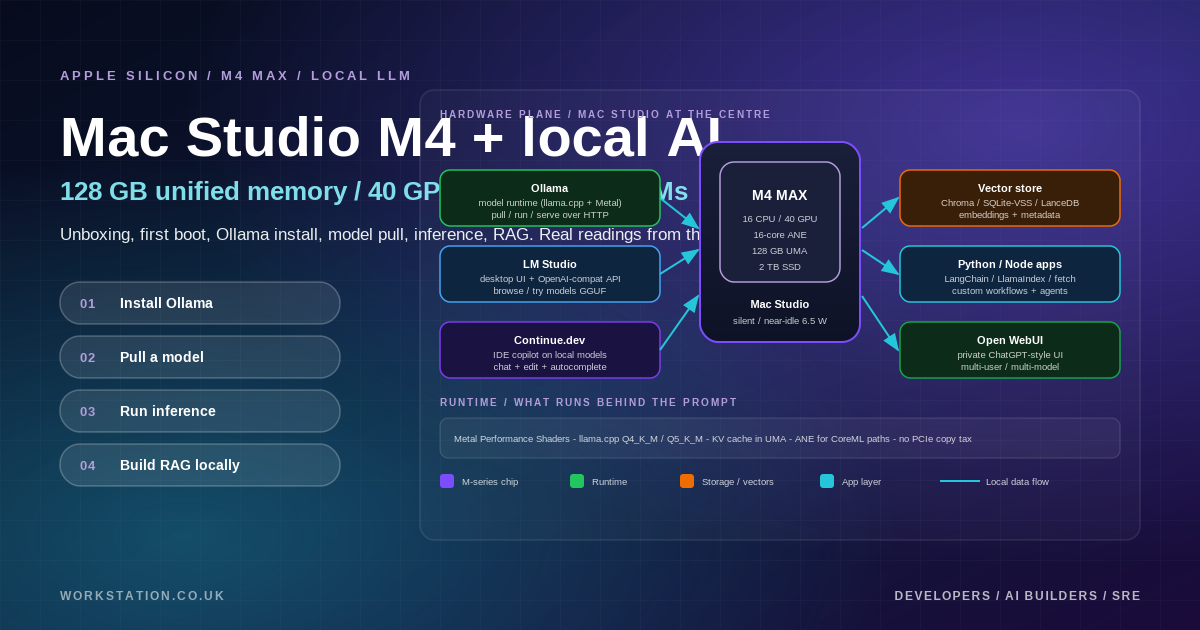
Unboxing Mac Studio M4 and Running Your First LLM
I unboxed a Mac Studio M4 Max with 128 GB unified memory and 40 GPU cores, installed Ollama, ran Llama 3.1 8B locally, and built a private RAG pipeline - all on one quiet, 6.48 W idle desk-side box.
Balinder WaliaLesen